Bringing Artists into Research, Doing Research Through Art: Arts Collaboration Workshop with After the Single Use in Hyderabad
On November 9, 2026, the After the Single Use (ATSU) team gathered in Hyderabad, India, to explore how artists might help us reflect on the health sector’s plastic problem and imagine healthcare futures beyond disposability. The two-hour session on artistic practice in research was part of ATSU’s second Collaborative Workshop—at the University of Hyderabad—bringing together almost 30 researchers from across the world to discuss community, connections, and collaborations in and between the project’s research units.
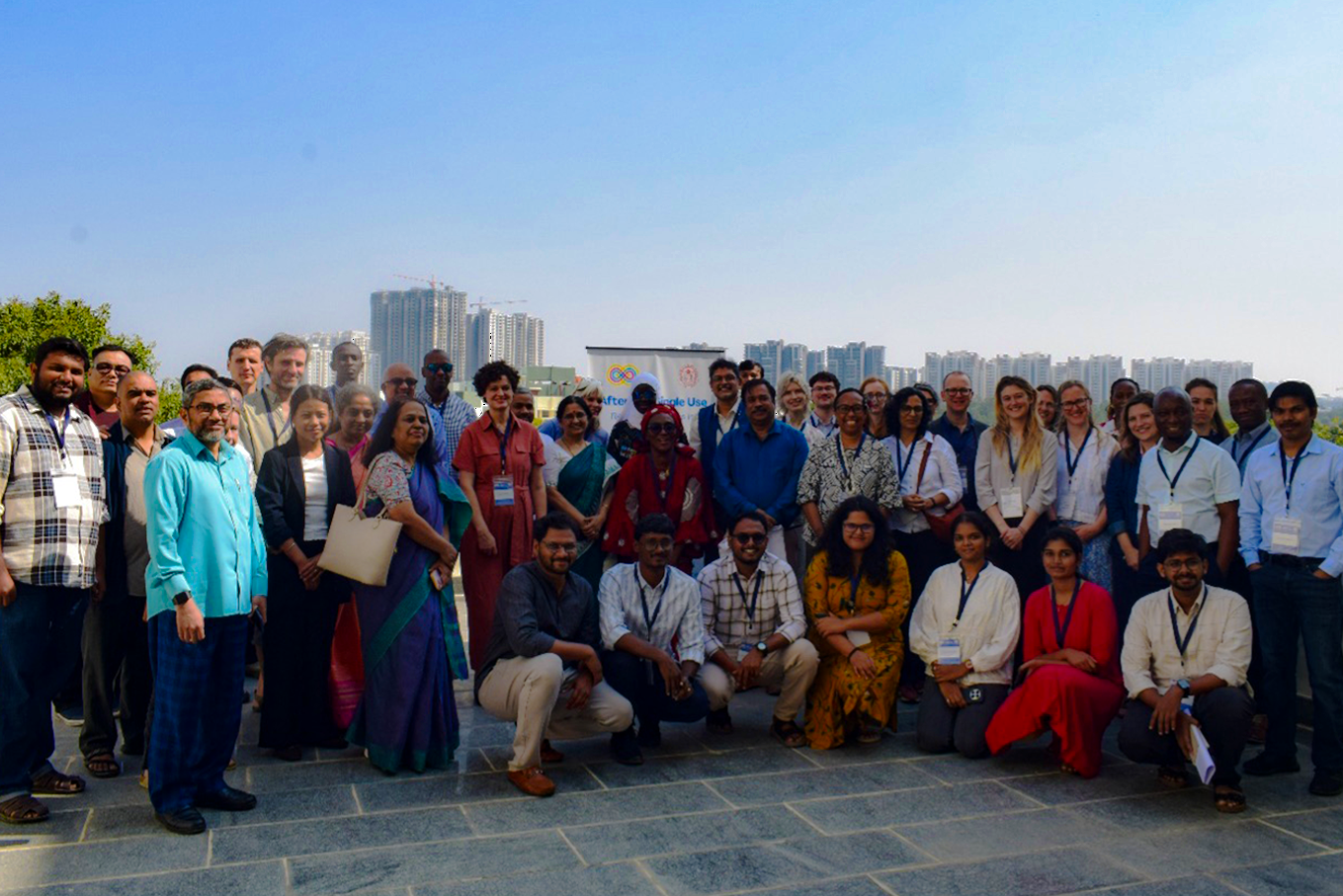
The aim of the workshop was to give the ATSU research units a shared starting point for hosting an artist-in-residence in spring 2027, and to give a sense of what arts-based, or artist-led, research can make possible. What new questions can artists bring to the table? How can we see the topics and materials we study in a different light? How can art foster dialogue between researchers and stakeholders, yet also reach new audiences?
Art in Research
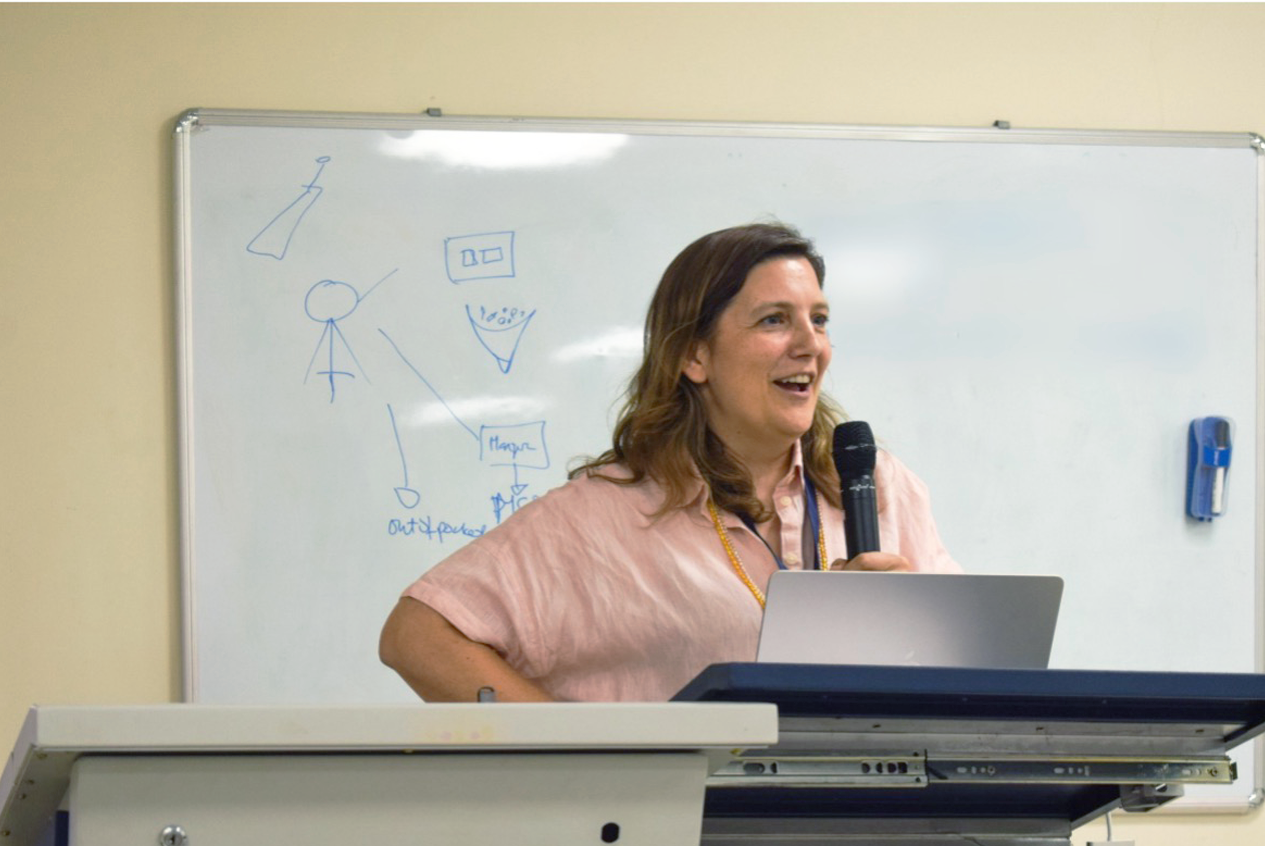
Cathrine (Cat) Kramer from Norwegian BioArt Arena (NOBA) led the workshop together with ATSU’s Arts Core team, highlighting the significance and diversity of artistic practice in research. Cat is co-founder of the Center for Genomic Gastronomy, an artist-led think tank exploring food, science and ecology. Drawing on fifteen years of experience collaborating with academics and scientists, she invited the team to consider what artistic practice might make possible for ATSU.
Artistic practice can play different roles in research: communicating findings, producing new knowledge, or responding to the needs of a community. For a team working in history and anthropology, art offers a creative entry into the lives of medical plastics—making the problem of disposability tangible and carrying our insights to people beyond the academy.
Reading Collaborations Closely
ATSU team members split into groups, each given an existing arts-research collaboration to explore through videos, essays, and photographs. The cases spanned themes and materials close to the project’s own concerns, including textile art made by women in Delhi about living with air pollution, sound art made from recordings of a river ecosystem, and an installation of video and sculpture art exploring how forests co-exist with microplastics.
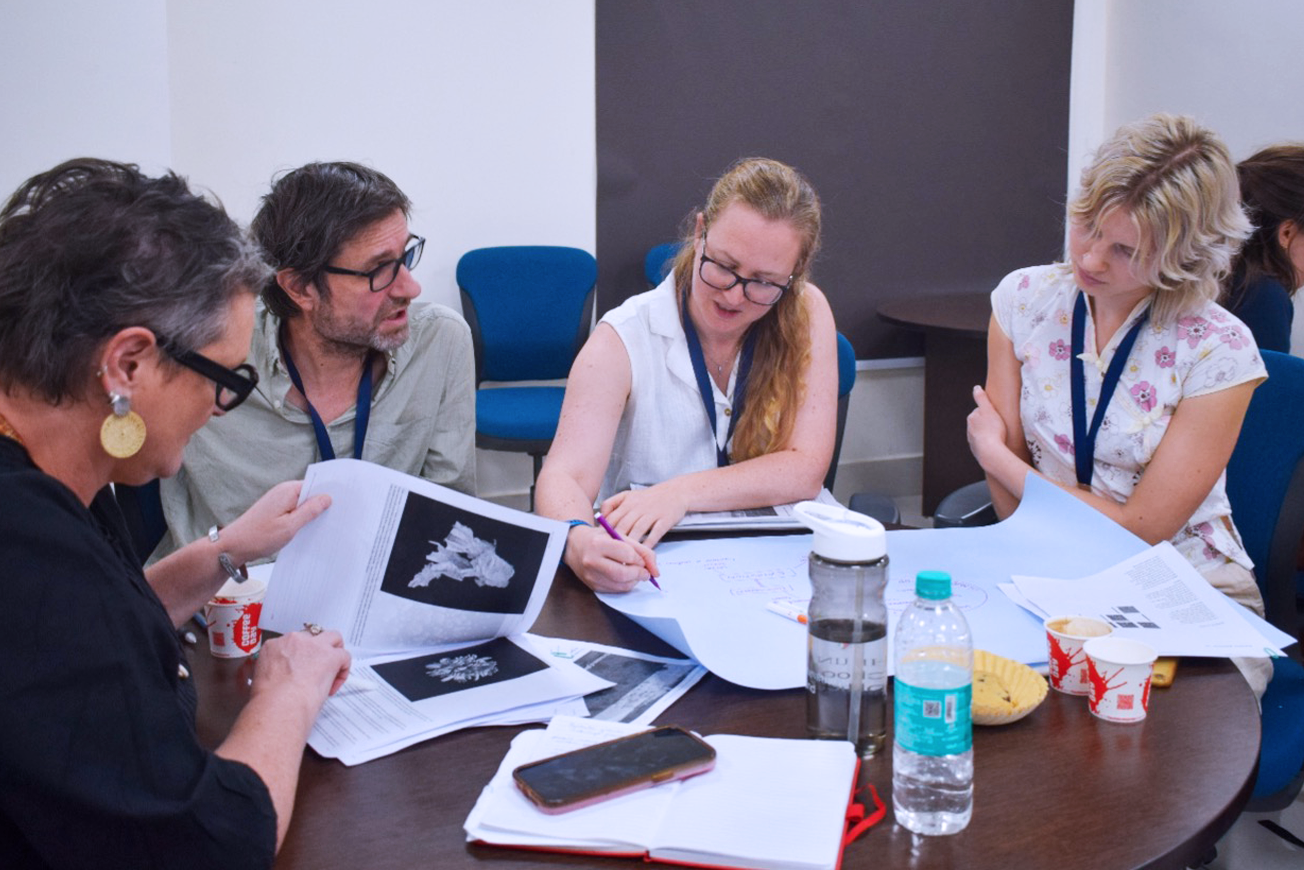
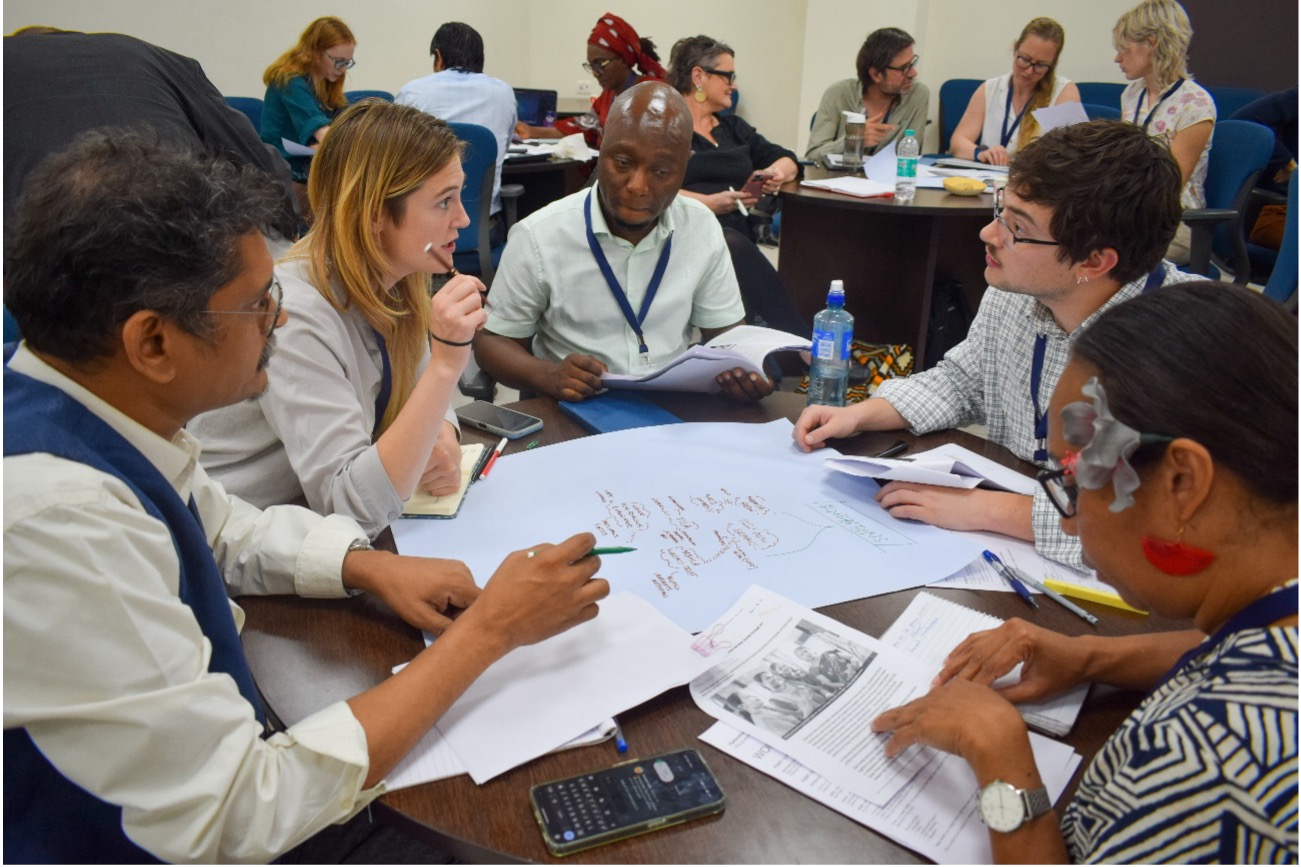
As the groups reported back, the conversation turned to what it means to brings artists into our own research projects. Many of the most compelling examples emerged from close work with artists and key participants, among them marginalized groups and Indigenous peoples, illustrating how art collaborations can share authorship when they take power and equity into account. Overall, the groups saw the richest collaborations as co-productions, through which artists are allowed to respond to the research on their own terms, contribute their own perspectives, and raise questions freely.
An ATSU Collaboration: The Fann Hospital Mural in Senegal
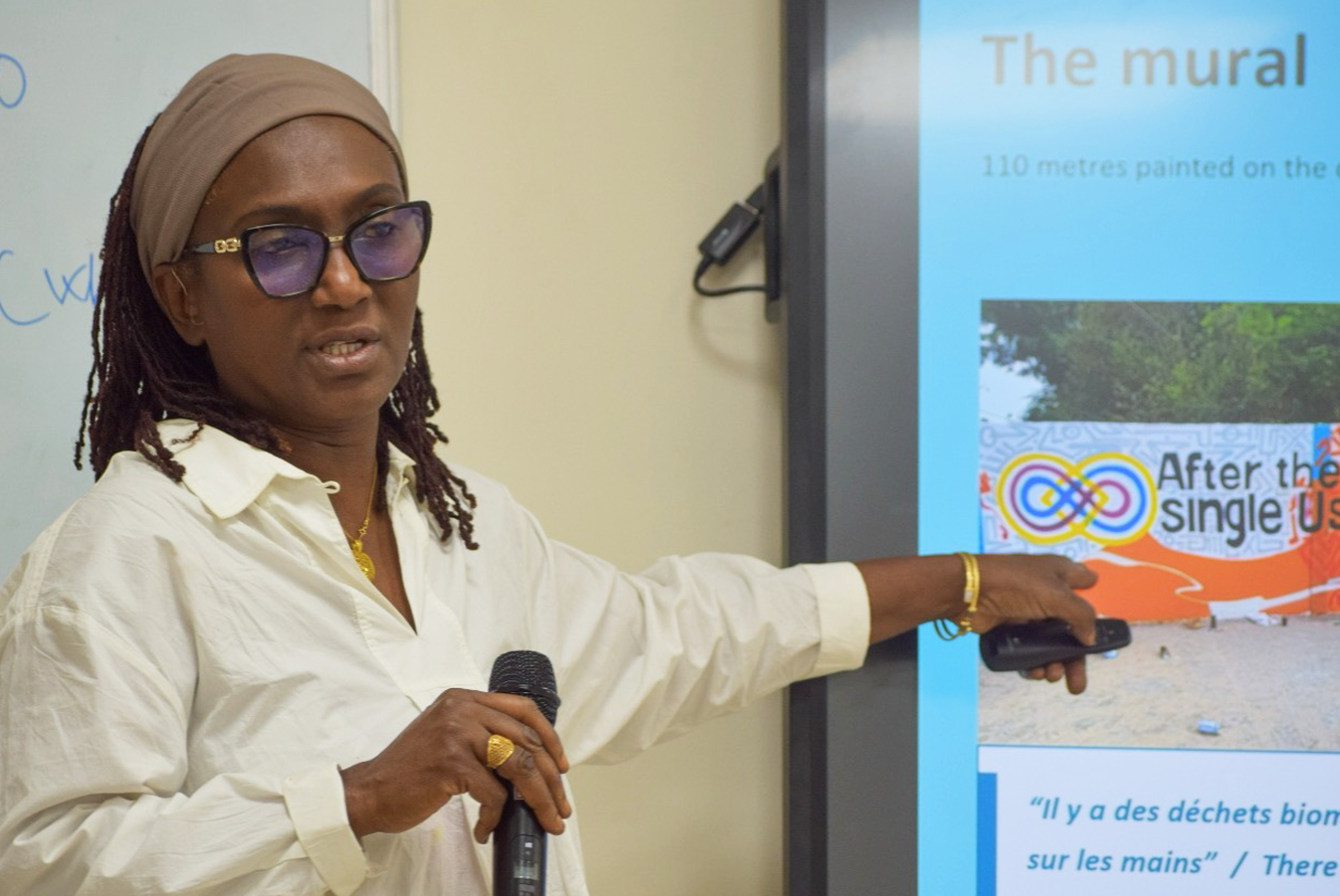
Senegal research unit lead Dr. Khoudia Sow presented her team’s collaborative arts work with Fann Hospital in Dakar earlier this year, where a diverse group of participants transformed 110 meters of hospital wall into a mural on the life-cycle of single-use plastics in healthcare. Over three days, researchers, healthcare workers, art therapy participants, and graffiti artists collaborated to depict the risks of inadequate biomedical waste management and the need for collective responsibility and sustainable solutions. The mural now speaks to patients, staff, and visitors alike, translating research into a visual that anyone passing by can relate to. The ATSU team is greatly inspired by the Senegal unit’s arts-based community engagement.
Looking Ahead
Each research unit will now plan how to select and welcome its artist-in-residence beginning in spring 2027. Most importantly, the arts collaboration workshop left the ATSU team with a collective understanding of what artistic practice in research can do, and the different shapes it can take. Thank you to everyone who took part, to Catherine Kramer for facilitating, and to Dr. Nanda Kishore Kannuri and his team at the University of Hyderabad for organising our entire stay.