Art-science collaboration: visualising biomedical waste at Fann Hospital
Body
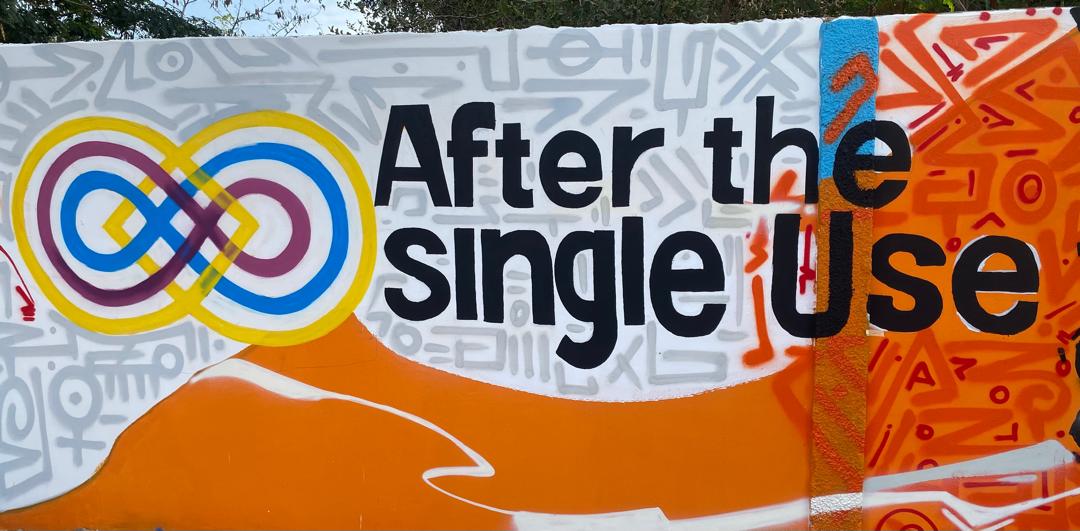
The After the Single Use project seeks to document, analyse, and better understand the life cycle of single-use plastic medical materials. It explores the health, environmental, and social challenges associated with the use and management of these plastics within healthcare systems. As part of its knowledge translation and public engagement activities, the project adopted a participatory approach aimed at involving artists in communicating research findings and raising public awareness of biomedical waste issues. To this end, the project established a partnership with the National School of Arts and Cultural Professions (ENAMC), the RESCAP'ART Association, which coordinates art therapy activities within the Psychiatry Department of Fann Hospital, and several professional graffiti artists. The objective of this collaboration was to create a dialogue between social science researchers, artists, and healthcare professionals, fostering a shared understanding of the environmental challenges posed by biomedical waste while promoting collective reflection through artistic expression.
Two consultation meetings, held on 22 December 2025 and 16 February 2026, were organised to define the scope and implementation of this collaboration. During these meetings, participants agreed that the creation of a large-scale public mural would serve as the project's main awareness-raising initiative. The exterior wall of Fann Hospital, located along Cheikh Anta Diop Avenue, was selected because of its high visibility and heavy pedestrian and vehicular traffic.
The mural was conceived as a public communication tool to raise awareness among healthcare workers, local communities, and the general public about the environmental consequences of plastic waste generated by healthcare activities, while encouraging more sustainable waste management practices. To ensure that the artistic work would accurately reflect the scientific issues addressed by the project, a training workshop on the health and environmental dimensions of biomedical waste was organized on 11 March 2026 for ENAMC students and faculty members, members of RESCAP'ART involved in the Psychiatry Department's art therapy program, and the participating graffiti artists. During this workshop, researchers presented the project's preliminary findings and facilitated discussions on the health, environmental, and social implications of biomedical waste. Building on these exchanges, ENAMC students, under the supervision of their instructors, developed several artistic concepts inspired by the research findings.
A second collaborative workshop, held on 20 April 2026, provided an opportunity for participants to present and discuss their individual and collective proposals. Through a collective selection process, the most relevant visual elements were identified and incorporated into the final artistic concept. The graffiti artists were subsequently commissioned to produce a comprehensive mural design integrating all the selected ideas.
In parallel, a series of technical coordination meetings brought together the artists, representatives of the art therapy program, ENAMC faculty members, and the management of Fann Hospital to finalize the project's technical, administrative, and financial arrangements. Following approval of the project budget and the signing of an agreement authorizing the rehabilitation of the wall, preparatory work—including masonry repairs, cleaning, and surface preparation—was completed during July 2026. The administrative team of the CRCF coordinated logistical planning, procurement of materials, and participant compensation in accordance with institutional procedures. Formal agreements were established with all participating institutions and contributors involved in the implementation of the mural.
The mural was completed between 25 and 27 July 2026 with the participation of 15 ENAMC students, three ENAMC faculty members, three professional graffiti artists, one visual artist from the Psychiatry Department of Fann Hospital, and five RESCAP'ART members involved in the department's art therapy program.
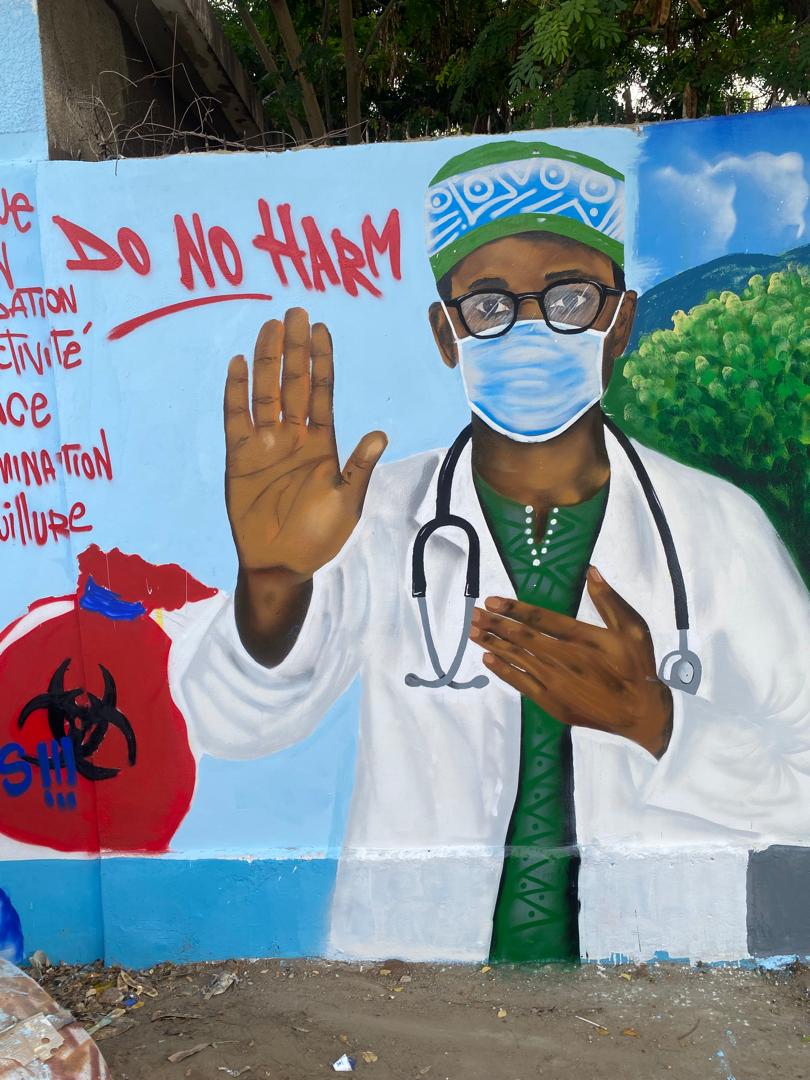
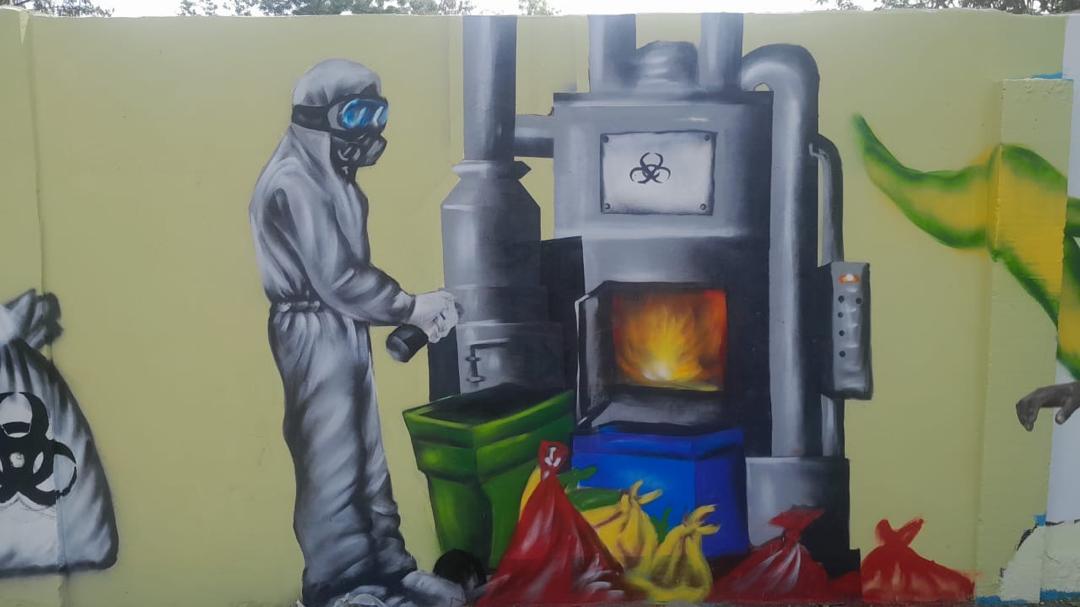
Extending over 110 meters, the mural is organized into three thematic sections representing the trajectory of biomedical waste. The first illustrates the health and environmental risks associated with inadequate waste management practices; the second encourages collective awareness and shared responsibility; and the third highlights practical solutions and sustainable alternatives.
Beyond its artistic value, the mural represents the culmination of a participatory research process in which scientific knowledge was translated into a visual language through close collaboration between researchers and artists. It therefore constitutes a lasting resource for science communication, public engagement, and dialogue between the research community, healthcare professionals, cultural stakeholders, and the wider public.
Implementation of the Mural
Day 1: Opening Ceremony and Launch of the Painting Activities
The first day marked the official launch of the mural project. Ms Gueye, Head of the Hospital Quality and Hygiene Division, who has been actively involved in several components of the AtSU project, welcomed all participants on behalf of the Hospital Director, whose support was instrumental in making the initiative possible.
Following the opening remarks, Dr Sow presented the objectives, methodology, and participatory philosophy of the AtSU project. Particular emphasis was placed on the project's innovative integration of artistic practice within participatory research as a means of fostering dialogue among researchers, healthcare professionals, and artists around the environmental and health challenges associated with biomedical waste.
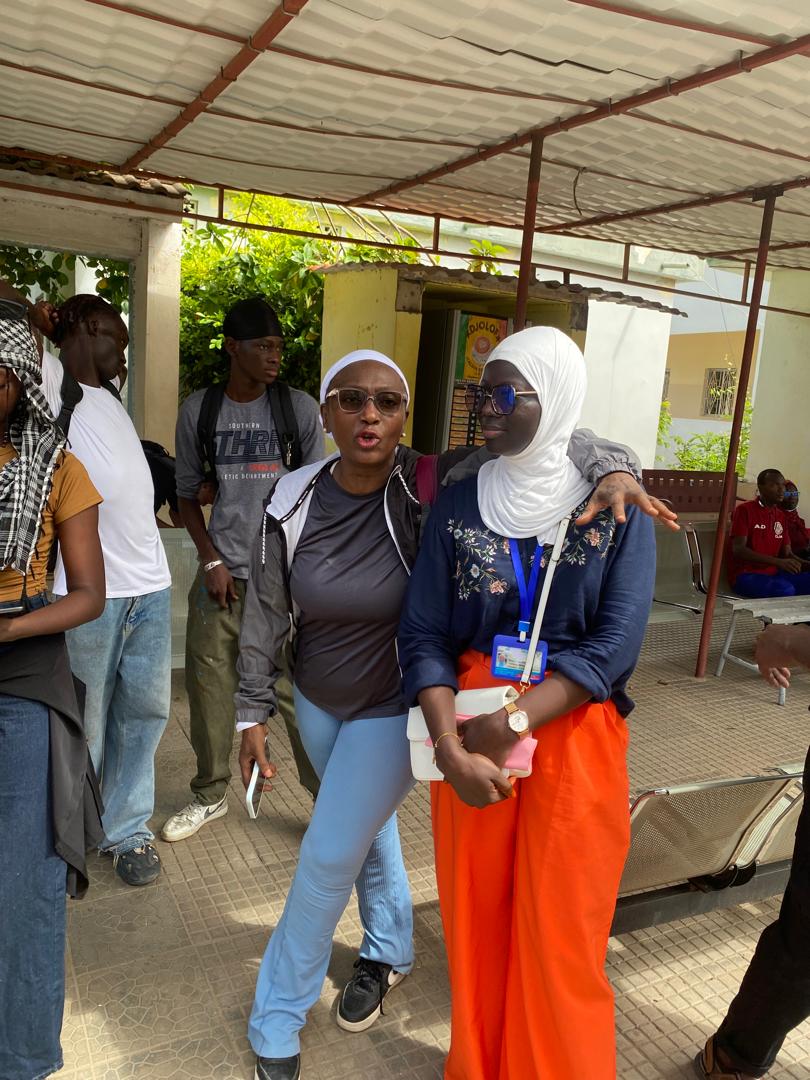
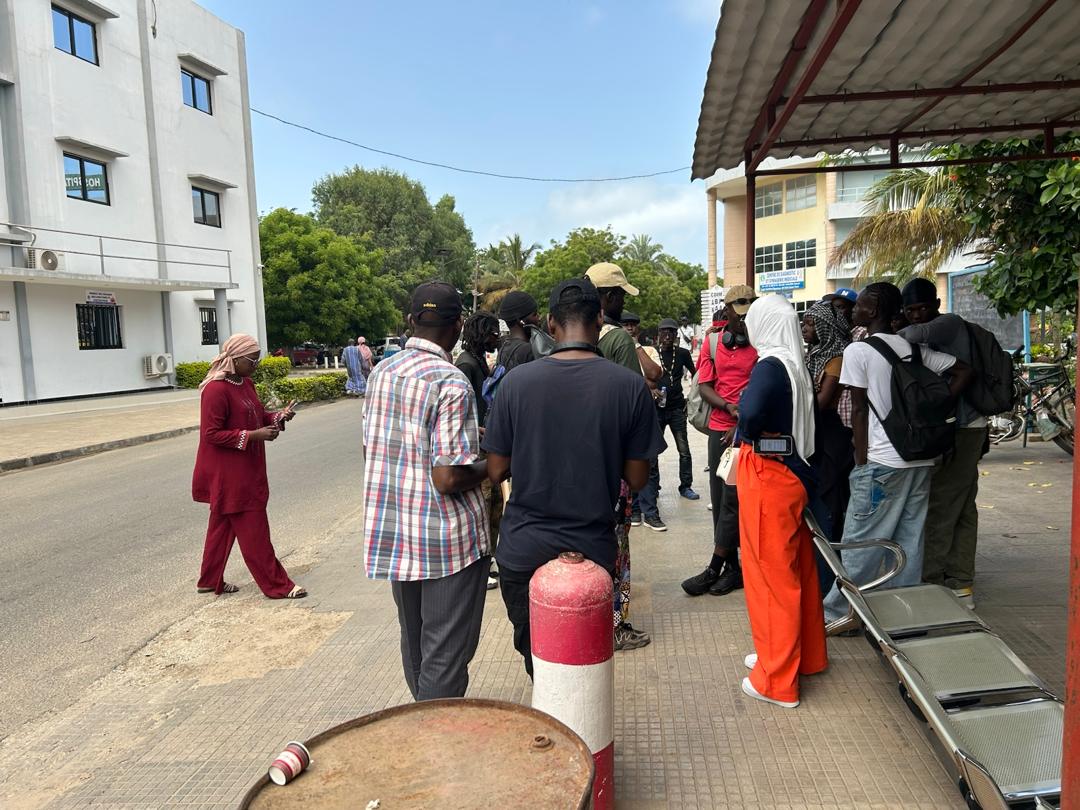
Launch of the Mural Painting Activities and Presentation of the Technical and Artistic Guidelines
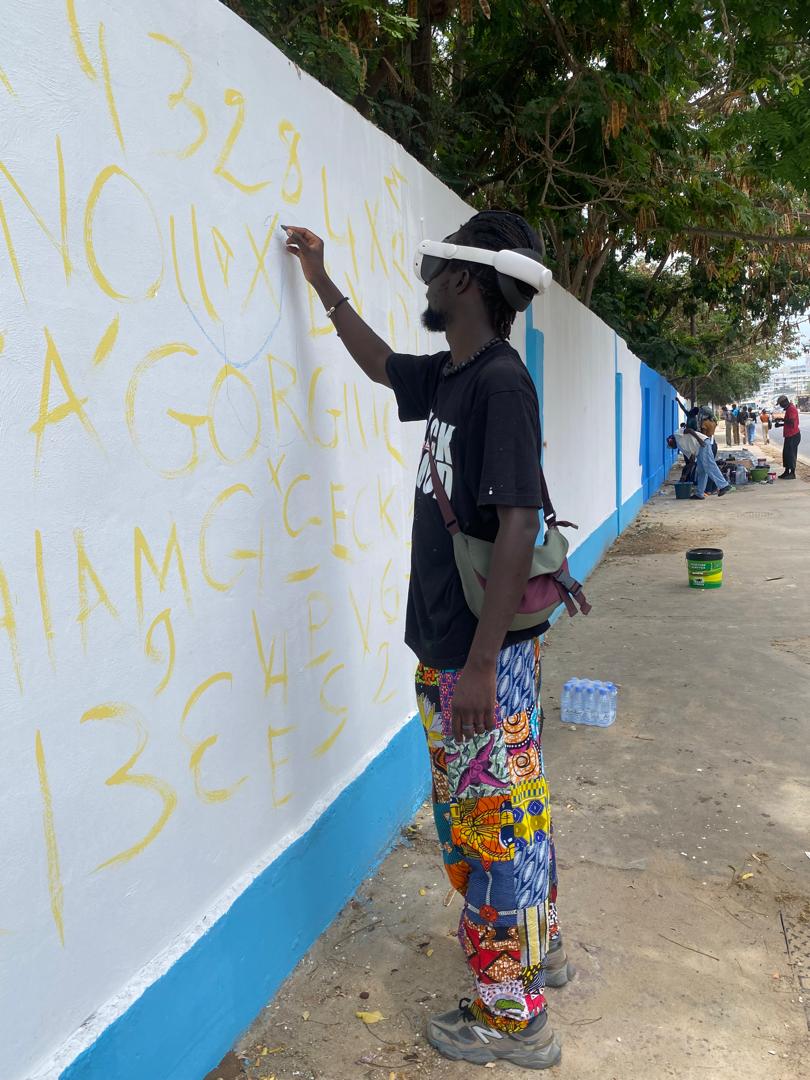
The mural painting activities officially began in the presence of Khoudia, Ndeye Fatou, and Ms Gueye, Head of the Hospital Quality and Hygiene Division. The professional graffiti artists introduced the different stages of the mural creation process, reviewed the health and safety guidelines, and clarified the roles and responsibilities of all participants. They then distributed the materials and equipment required for the activity. To encourage interaction, collaborative learning, and the exchange of artistic techniques, participants were organized into small groups of two to three people, bringing together graffiti artists, ENAMC students, and participants in the Psychiatry Department's art therapy program. The artistic work began with the transfer of the preliminary sketches onto the wall by the three professional graffiti artists. Participants then proceeded with painting the background sections of the mural under the guidance and supervision of both the graffiti artists and ENAMC faculty members, ensuring that the artistic design was implemented consistently while providing participants with hands-on learning throughout the creative process.
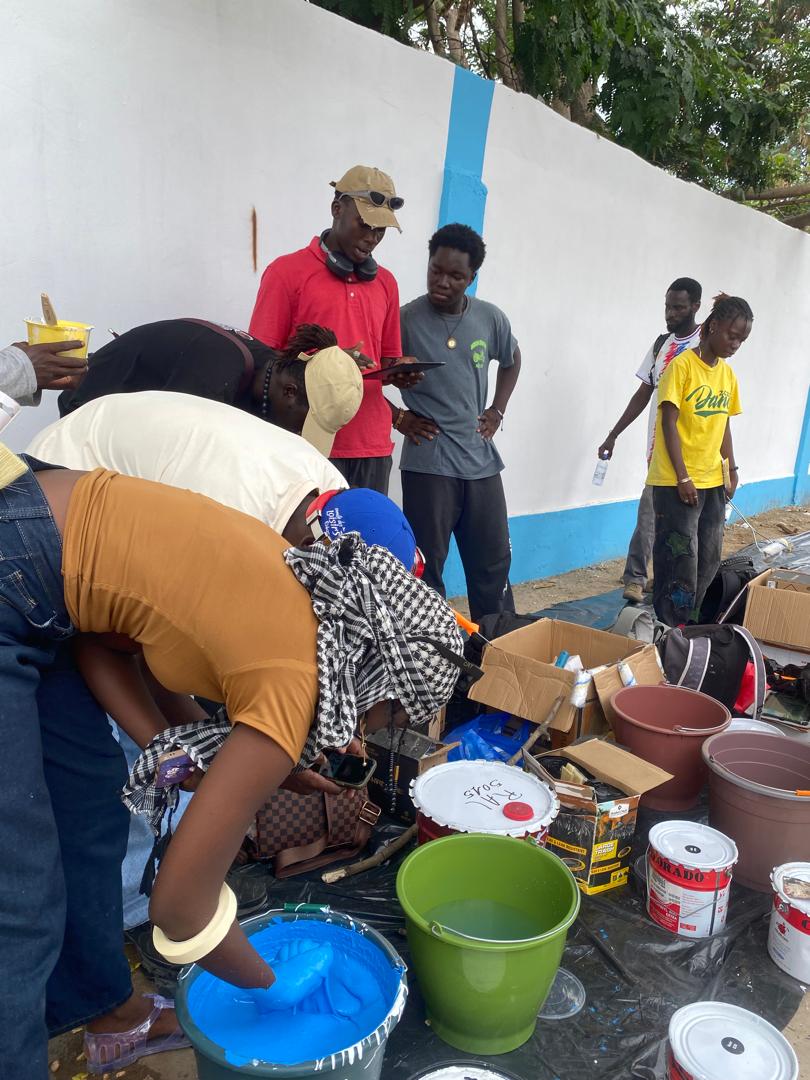
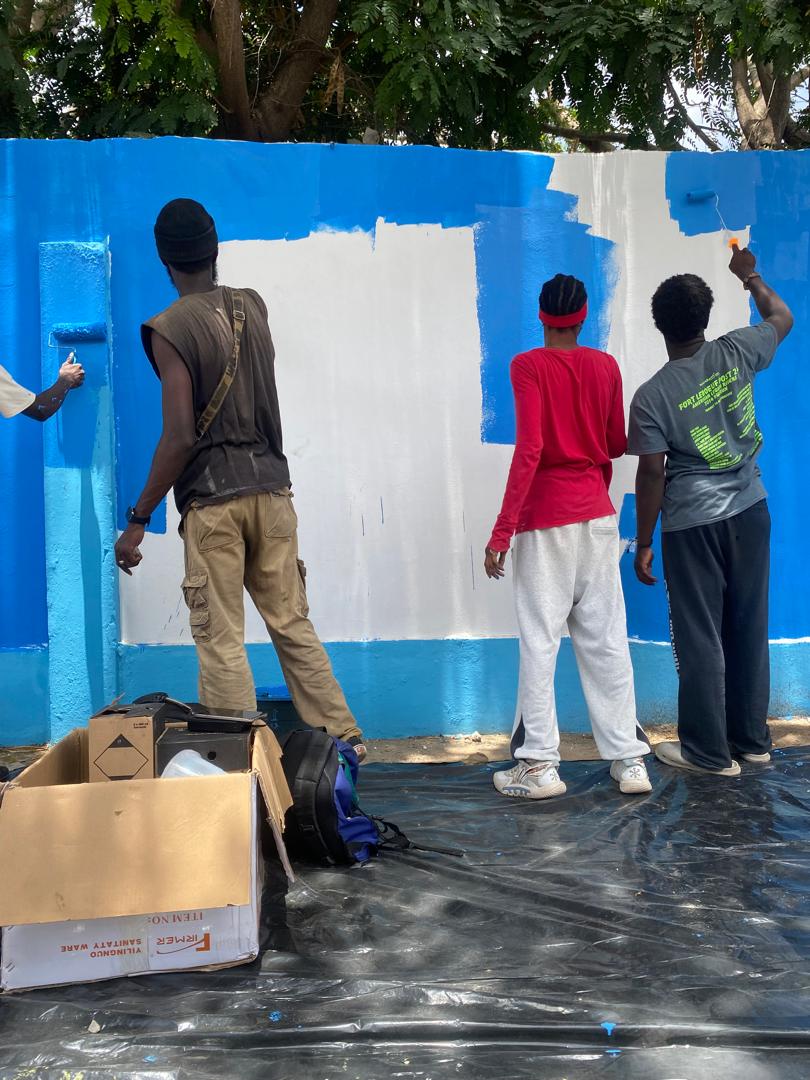
Day 2: Creation of the Mural
The second day was devoted to the continued development of the mural. Participants refined the initial sketches and applied color to the different sections of the artwork. Throughout the day, faculty members and professional graffiti artists provided continuous technical and artistic guidance, supporting participants as the mural gradually took shape.
Several adjustments were made to improve the overall composition, proportions, color harmony, and visual coherence of the mural. This collaborative process allowed the artistic concepts developed during the preparatory workshops to be translated into a cohesive large-scale public artwork while maintaining the educational messages conveyed by the project.
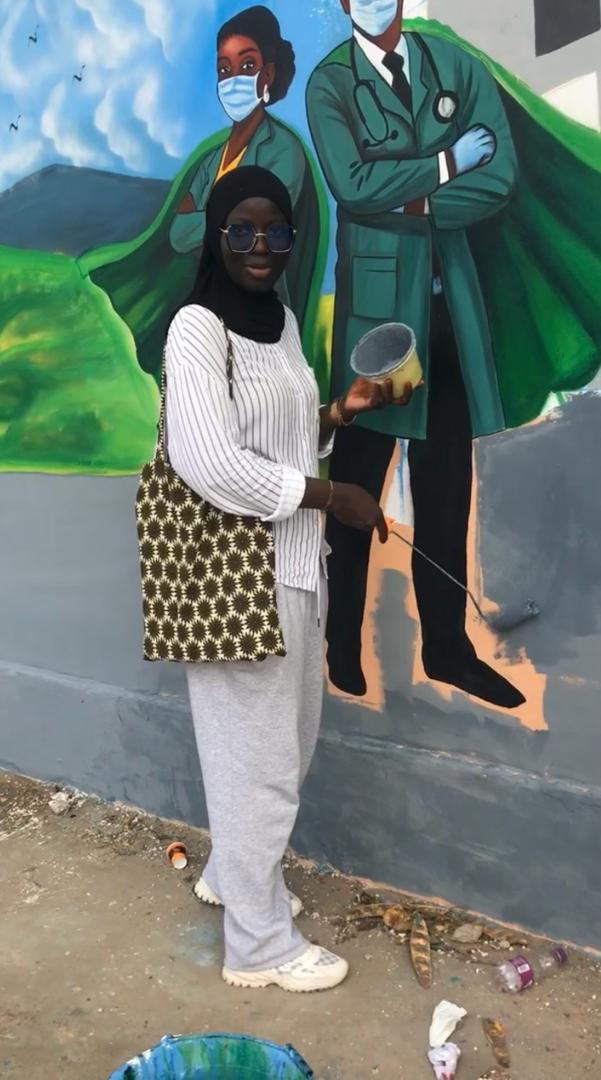
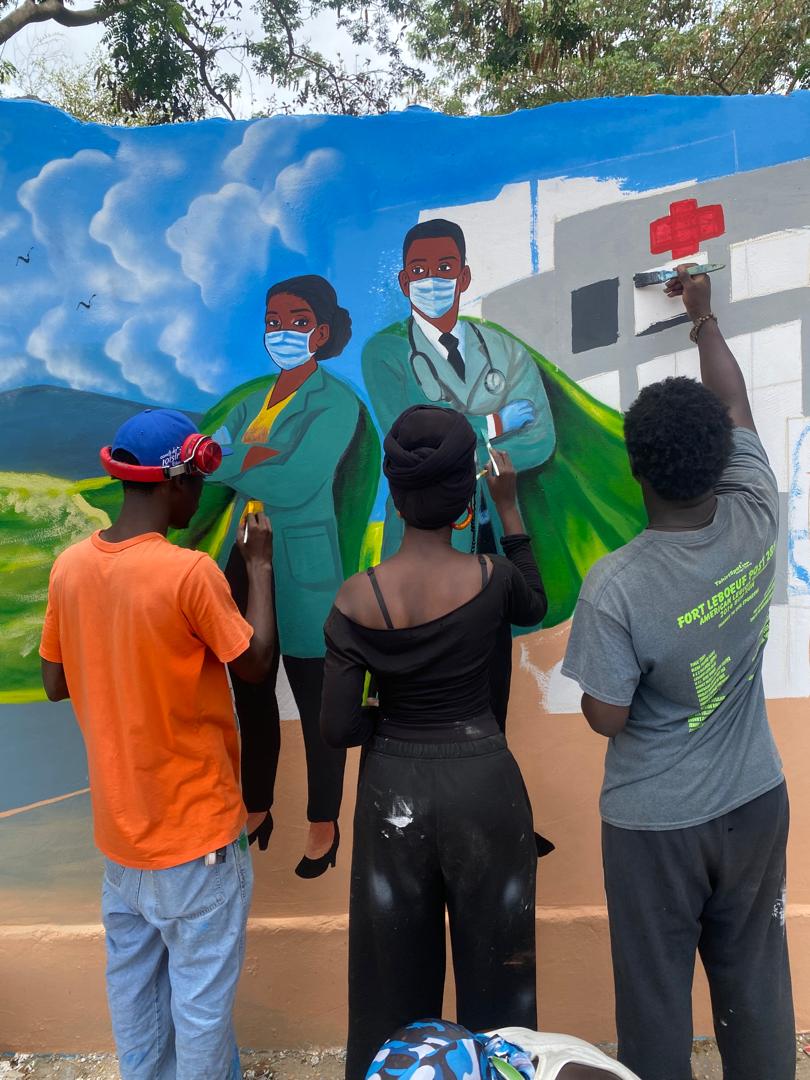
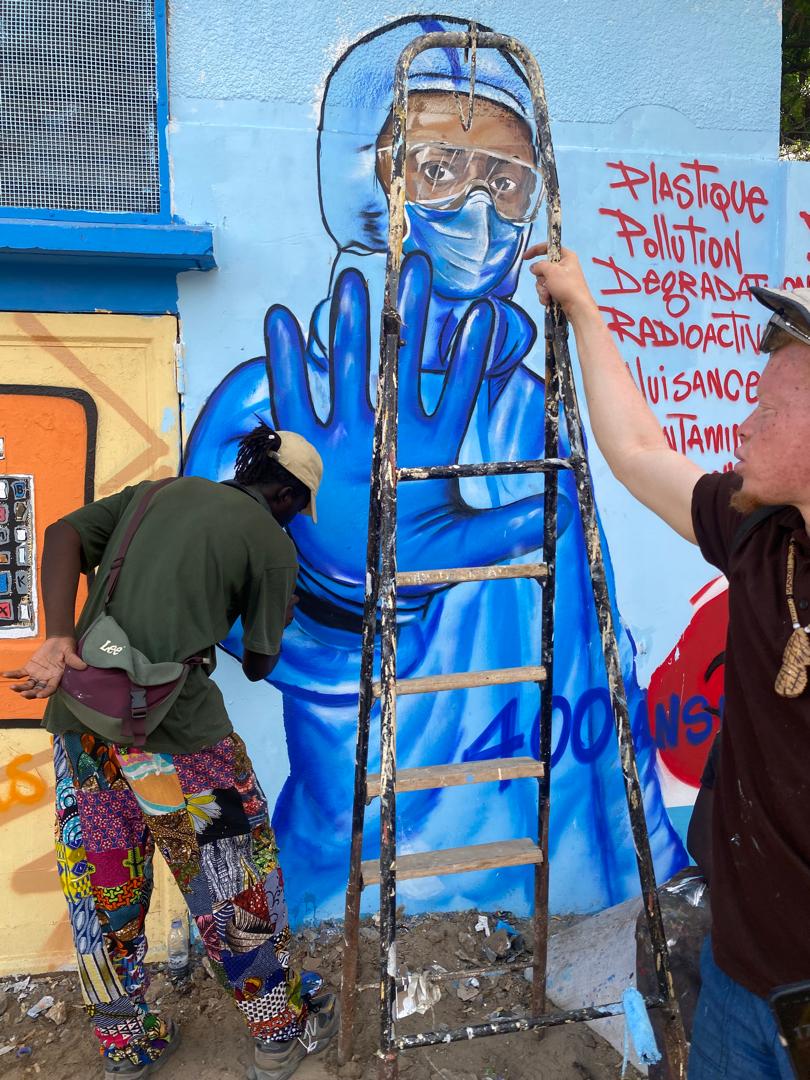
Participation of the AtSU Research Assistants: Christine, Ndeye Fatou, Cyrill and Tikam
Day 3: Completion of the Mural
The final day was dedicated to completing the mural. The different teams focused on refining the artwork, applying final color adjustments, and making the last technical and artistic corrections. The graffiti artists completed the mural by adding key awareness-raising messages, reinforcing its educational purpose and highlighting the environmental challenges associated with plastic waste generated by healthcare activities. Before the activity concluded, the graffiti artists conducted a final quality review of the mural to ensure the consistency and quality of the finished work. This was followed by the cleaning of the site and the packing of all equipment and materials.
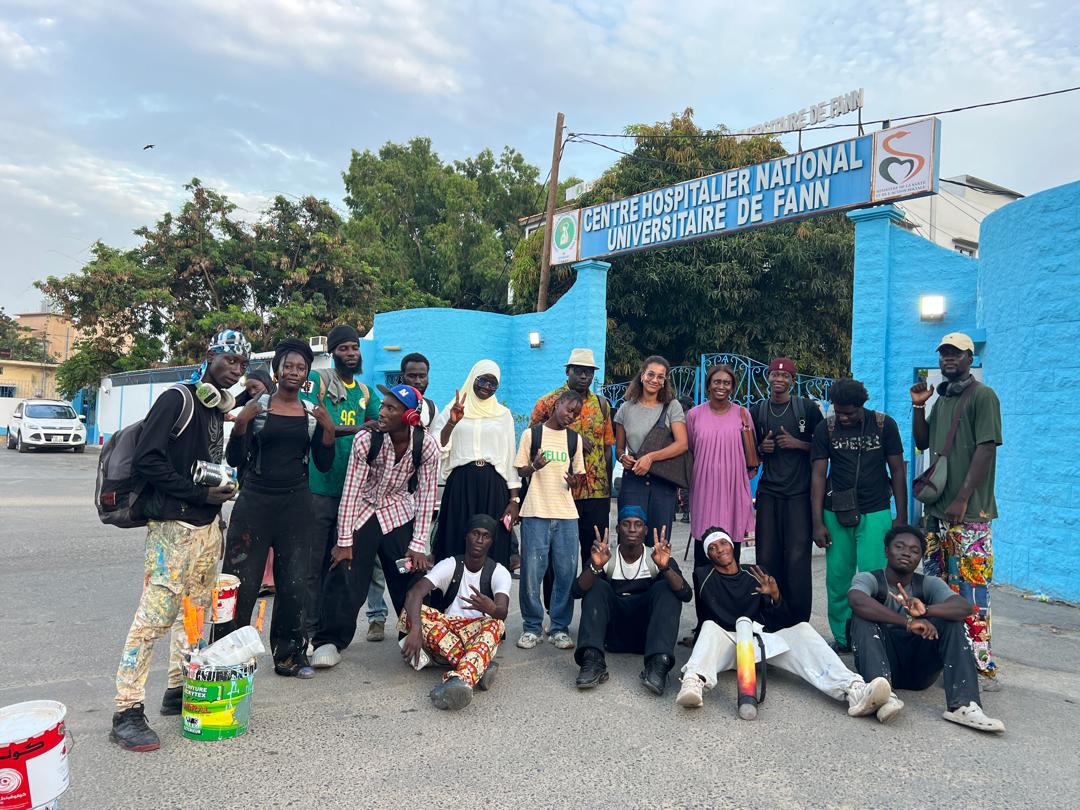
The activity concluded with a group photograph bringing together the graffiti artists, ENAMC faculty members, students, participants in the Psychiatry Department's art therapy program, the AtSU research assistants, and the wider After the Single Use project team. This closing moment marked the successful completion of three days of collaborative artistic creation, interdisciplinary exchange, and public engagement around the environmental and health challenges of biomedical waste.
Conclusion and Future Directions
The completion of this mural, conceived as a form of public art, represents a powerful tool for both public awareness and collaboration among the diverse stakeholders involved in the AtSU project. Over the course of three days, professional graffiti artists, faculty members and students from the National School of Arts and Cultural Professions (ENAMC), participants in the art therapy programme of the Psychiatry Department at Fann Hospital, and members of the AtSU research team worked together to create a collective artwork conveying a shared message of environmental protection.
Beyond its artistic value, this collaborative initiative strengthened partnerships between the research, healthcare, and arts sectors while promoting an inclusive and participatory approach to knowledge sharing. The mural now serves as a lasting educational resource, inviting both Fann Hospital users and the wider public to reflect on the environmental and public health challenges associated with plastic waste generated by healthcare activities.
Located along one of Dakar's busiest public thoroughfares, the mural also has the potential to support advocacy efforts promoting the wider use of public art as an innovative strategy for raising awareness of biomedical waste management and the environmental risks associated with healthcare facilities in Senegal.
Several follow-up activities are envisaged:
- Organise an official inauguration ceremony to showcase the mural, highlight the importance of biomedical waste management, and strengthen ongoing public awareness initiatives.
- Present the mural to officials from the Ministry of Health and Social Action, particularly those responsible for biomedical waste management, in order to showcase the project and promote the outcomes of this research-creation initiative.
- Advocate for the use of urban art as a communication and awareness-raising tool to address the environmental and public health challenges associated with biomedical waste.
- Build on the expertise developed through this collaboration when selecting the artist who will contribute to the artistic exhibition planned as part of the AtSU project.