Rethinking single-use plastics in healthcare systems at MUHAS
Body
Bridging Global Research and Local Expertise
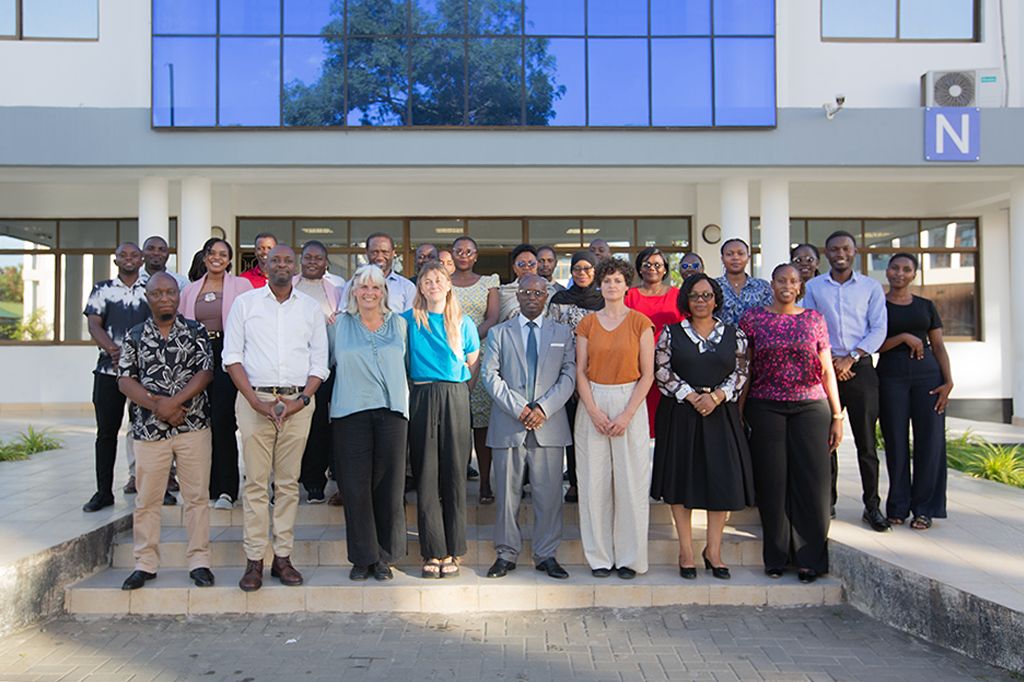
On 1 September 2026, After the Single Use convened a diverse coalition of stakeholders at Muhimbili University of Health and Allied Sciences (MUHAS) for a pivotal public lecture titled 'Rethinking Single-Use Plastics'.
Organised in collaboration with the NIMR Amani Medical Research Centre, the event served as a critical platform to move beyond simply identifying the problem of medical waste. Instead, the lecture focused on actionable strategies to rethink healthcare systems for a more sustainable future, emphasizing the necessity of context-specific solutions that balance infection control with environmental responsibility.
A Convergence of Disciplines
The lecture was designed to foster dialogue across sectors that do not always intersect. The audience was intentionally diverse, bringing together:
- Healthcare professionals and hospital administrators
- Academic researchers and students
- Policymakers and regulatory bodies
- Environmental health practitioners
- Industry actors and manufacturers
- NGOs and members of the public
This cross-sector participation underscored the project's core philosophy: that solving the challenge of single-use plastics requires a systemic approach involving everyone from the frontline worker to the policy maker.
Key Themes and Insights
Led by Prof. Alice Street (Principal Investigator), Prof. Anne Kveim Lie (Norway Country Lead), and Dr. Peter Mangesho (Tanzania Country Lead), the presentation explored three central themes:
- The Rise of Single-Use Technologies: The speakers traced the historical and practical drivers behind the global shift toward disposable medical devices, examining why these materials have become ubiquitous in modern healthcare.
- Environmental Implications: Drawing on emerging research from the AtSU programme, the team presented data on the lifecycle of these materials, highlighting the specific environmental burdens faced by healthcare systems in Tanzania and the Global South.
- Opportunities for Systemic Change: Moving beyond critique, the lecture highlighted opportunities for innovation. The discussion focused on how stronger collaboration between manufacturers, providers, and policymakers can reduce unnecessary waste without compromising patient safety or quality of care.
The session also featured significant contributions from local hosts Prof. Emmy Metta, Prof. Deodatus Kakoko, and Dr. Amani Anaeli, who contextualized the global findings within the Tanzanian healthcare landscape. Their insights reinforced the value of combining international research capabilities with deep local expertise to develop resilient, sustainable health systems.
Impact and Future Directions
The lecture complemented the project's broader engagement activities during MedExpo Africa, providing a dedicated space for academic rigor and policy dialogue. By opening the floor to regulators and industry actors alongside clinicians and students, the event helped lay the groundwork for future collaborations aimed at redesigning medical supply chains.
The success of this gathering demonstrates a growing momentum in Tanzania to address biomedical waste not just as a disposal issue, but as a fundamental design and policy challenge. After the Single Use continues to build on these conversations, working towards tangible changes in how medical plastics are sourced, used, and managed.