How medicine becomes trash: disposability in health care
Body
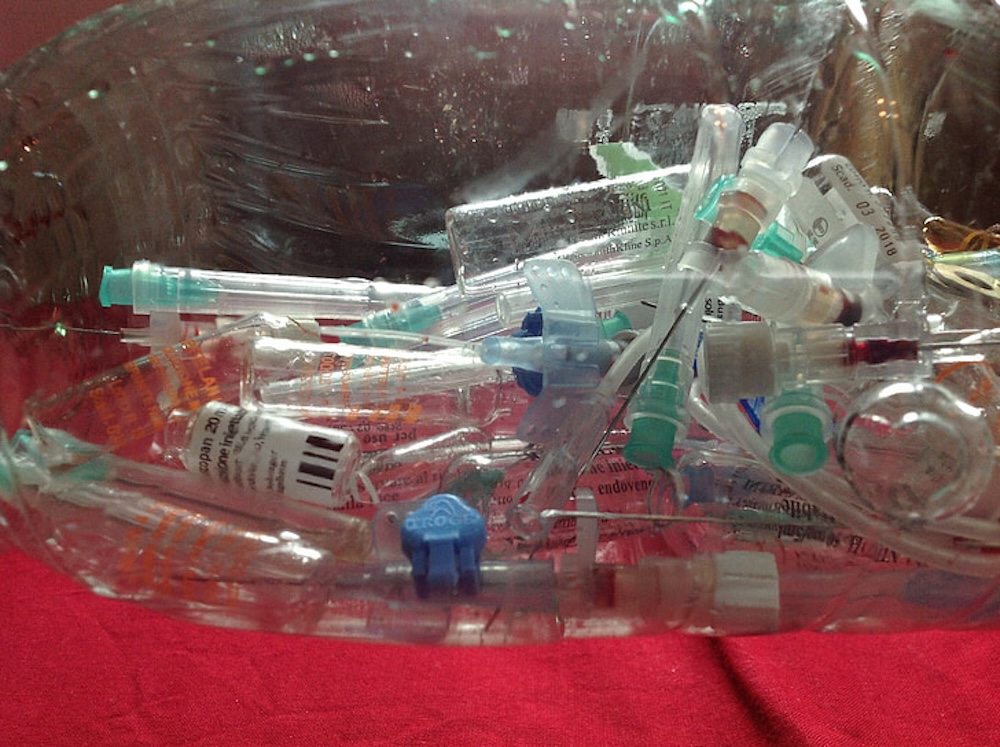
Health care significantly contributes to climate change, with up to 80% of its carbon footprint linked to the production, transport, use, and disposal of single-use items. Despite disposability being widely accepted as hygienic and efficient, it is largely a product of cost-saving decisions and fear-based policies rather than medical necessity. Historically, reusable tools and sterilisation were standard, but the shift toward disposables has increased environmental harm and medical waste. The COVID-19 pandemic highlighted the fragility of disposable supply chains and opened the door for sustainable alternatives. Re-embracing reusable equipment is essential for reducing the sector’s environmental impact and improving resilience.
Full citation
Greene, Jeremy, Caroline L. Skolnik, and Maria W. Merritt. ‘How Medicine Becomes Trash: Disposability in Health Care’. The Lancet 400, no. 10360 (15 October 2022): 1298–99. https://doi.org/10.1016/S0140-6736(22)01941-9.