
Ethical Reflections on Researching Medical Waste
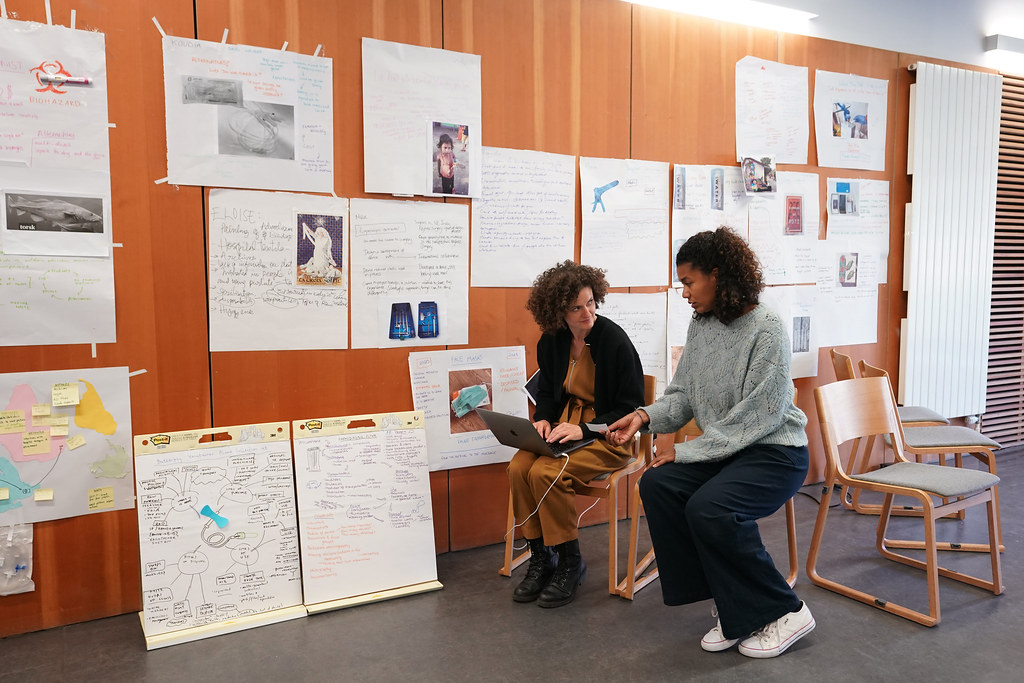
After the Single Use collaborators discuss the ethics of engagement.
After the Single Use is a multi-country research project about medical waste – more specifically, single-use plastic waste – in Senegal, Tanzania, India, Norway, Switzerland, the United States, Scotland, and Papua New Guinea. Our team’s first collaborative workshop, held in Edinburgh from 26-30 May 2025, provided an opportunity to share and discuss our fieldwork plans in these different countries in more detail. A common theme emerged: doing research in and around hospitals, waste sites, and communities raises a series of ethical dilemmas.
Researching inside Hospitals
Hospitals are high-pressure environments where time is scarce and privacy is crucial. Doing research in such settings requires particular care. How do we protect the privacy of patients and healthcare workers? Is anonymisation enough in small, close-knit hospital teams where everyone knows each other? Even if no names are mentioned, the identities of participants can easily be guessed.
Time is another major concern. Medical staff are often overworked, underpaid, and underappreciated. Asking for interviews or participation during their breaks—or worse, after their shifts—can unintentionally become a burden. While it may seem that participation in research is voluntary and does not require compensation, we must remember that their time has value, especially in contexts where working conditions are already difficult.
To address these concerns, some collaborative formats were proposed: holding introductory meetings with hospital staff to present the research and answer questions. Attending weekly staff meetings, to build trust and invite feedback. Organizing co-creative sessions where staff can take photos or suggest areas of interest and participate in the research model. Such approaches move away from extractive models and toward shared knowledge production.
Waste Pickers and Disposable Sites
Outside hospitals, another layer of ethical concern appears when researching at disposal sites and with waste pickers. These workers often live in precarious conditions and rely on the waste economy for survival. Interfering with their work—research participant labour—can disrupt their already fragile livelihoods.
For example, if we tell waste pickers that certain plastics are toxic or that smoke from incinerators is harmful, we may create new anxieties without providing any alternatives. Raising awareness without offering solutions can be ethically problematic. Worse, some workers could face job loss or social exclusion if their participation in research is revealed.
Our responsibility is not only to do no harm, but also to not add to the burden of already disadvantaged communities. In some cases, researchers can offer practical assistance in return—such as helping with administrative tasks, sharing useful information, or providing support in areas where local actors lack capacity. Waste picker unions and community organisations could be a more appropriate entry point for conducting research than directly approaching waste pickers as individuals.
NGOs, Artists, Activists, and Corporations - Building Respectful Relationships
Our team plans to work with NGOs, artists, and activists, which brings another set of responsibilities. These actors may already be under pressure, or politically exposed. Collaborations must be mutually beneficial—not just a means for researchers to access data or contacts. In small organizations, even well-intentioned requests can be overwhelming. Here too, researchers can offer help—assisting with reports, logistics, or communication—while being careful not to overstep or create dependency.
When collaborating with companies that produce plastic medical devices, it is important to maintain a respectful, non-judgmental dialogue. Even if our research is critical of certain practices, mistrust will only undermine the possibility of meaningful change. Our team also stressed the need to stay alert to corporate interests in sustainability research. While companies often promote environmental responsibility, we must remain cautious of greenwashing and the risk of research co-option, where corporate influence can undermine academic independence. Lessons from fields like food and tobacco research remind us how important it is to engage with stakeholders while maintaining a critical and independent perspective.
Photos and Visual Ethics
Arts research and visual methods are central to the After the Single Use project. Photographic documentation can enrich research, especially if we aim to translate our research in artistic dissemination, but it comes with high ethical stakes. Can we take photos inside hospitals or of waste pickers?
Ideally, only non-identifiable objects should be photographed—never people—unless they give informed, written consent. Even then, we must think twice. Once a photo or dataset is shared publicly, we lose control over how it will be used. This is especially risky in small communities or sensitive political contexts.
The same applies to interview transcripts or field notes: anonymisation does not guarantee safety, especially when local dynamics make individuals easily identifiable. Ethical data sharing requires constant reflection and, often, restraint.
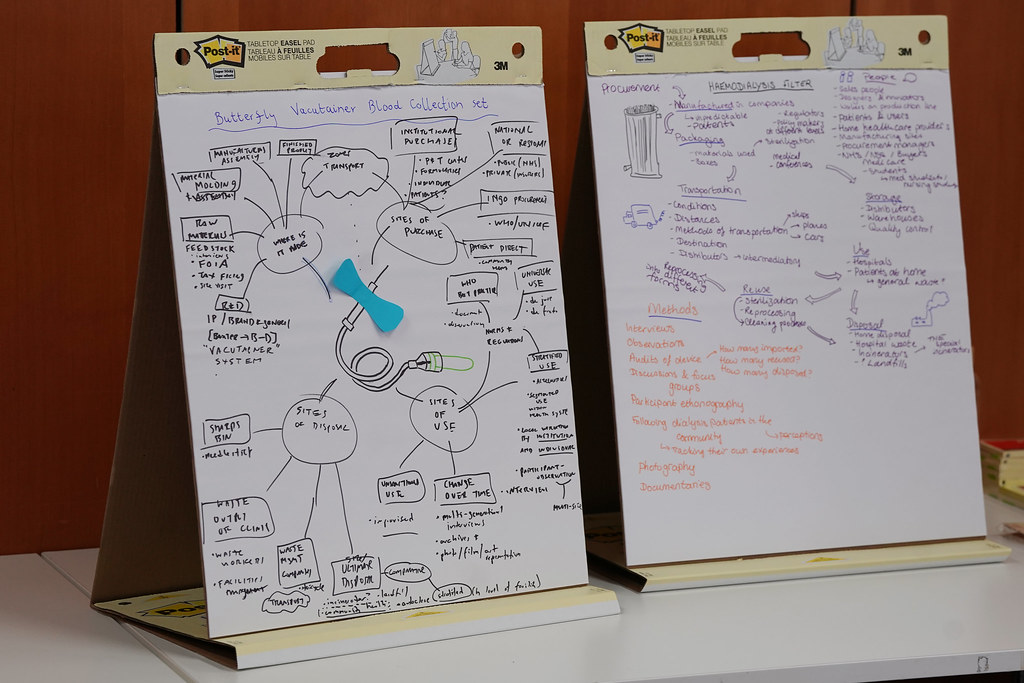
So, to conclude, whether we are in hospitals, waste sites, NGOs, or corporate meetings, we must constantly ask ourselves:
- Who benefits from this research?
- Who might be harmed?
- Whose time, labour, and resources are we relying on and what risks are we imposing on people?
Images courtesy of © STEWARTATTWOODPHOTOGRAPHY
