
Deconstructing Dialysis: working together to rethink its future
Developed collaboratively by After the Single Use and the Imploding Dialysis project, Deconstructing Dialysis brought patients, healthcare professionals, researchers, industry representatives and policymakers together to explore issues of equity and sustainability in the future of haemodialysis.
On 22 September 2026, a stakeholder workshop at the University of Edinburgh opened a three-day programme centred on deconstructing dialysis equipment and delivery—and reimagining what might come next. The focus was on the materials and design of dialysis machines and equipment and how we can improve accessibility and reduce the use of harmful materials while maintaining core values of safety, efficacy and patient-centred care.
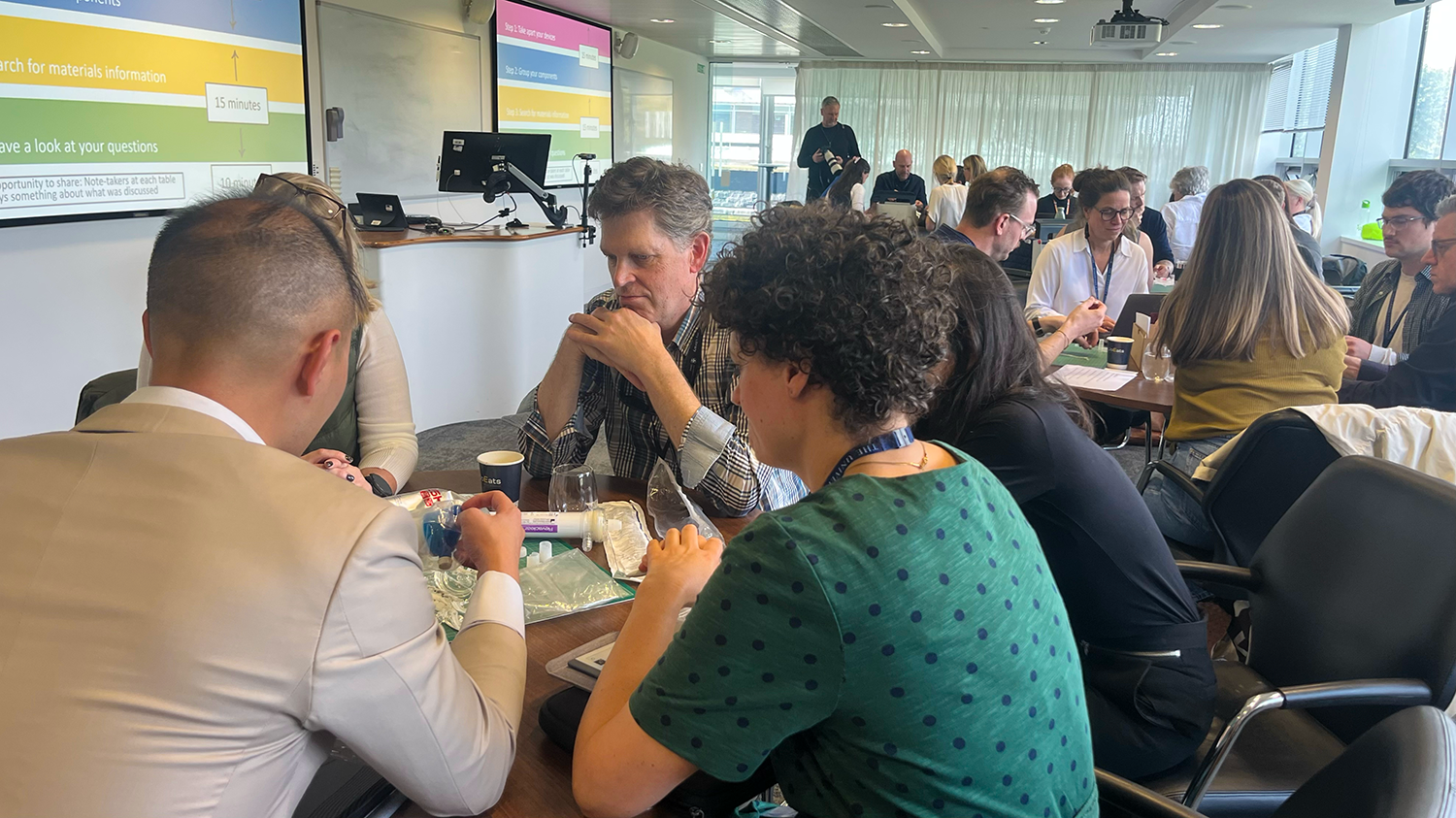
Renal nurses, patients and nephrologists joined chemists, medical device engineers, medical anthropologists, procurement and commodity managers, sustainability leads, industry representatives and government policy colleagues. The aim was to bring different experiences and areas of expertise into the same room, connecting perspectives that are often separated across healthcare, research, manufacturing and policy.
Starting with the equipment
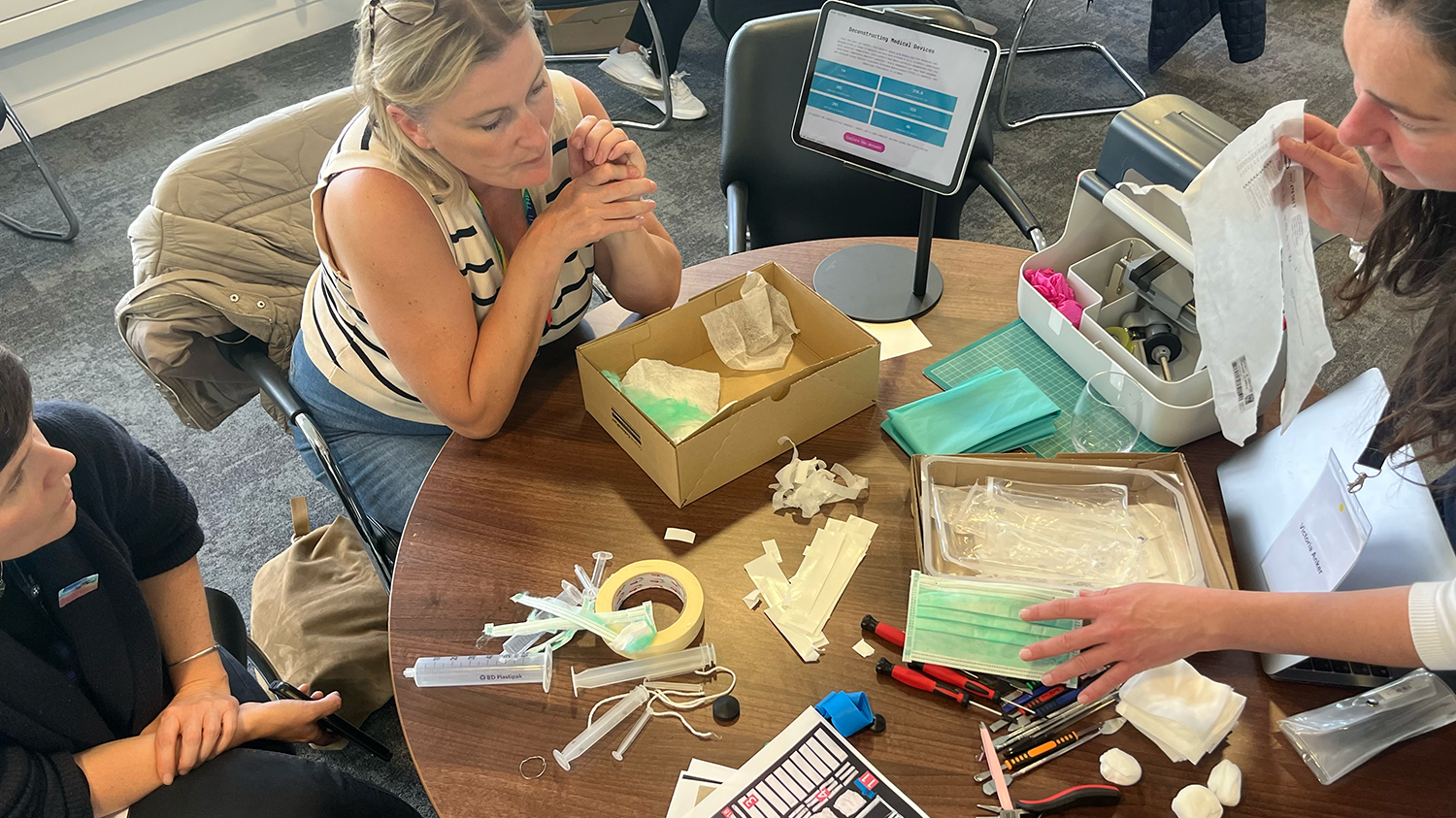
Across five tables, participants took apart bloodlines, consumables, dialysers and needles, examining what these devices are made of and how they move through the healthcare system.
The equipment itself became the starting point for discussion. Rather than talking about single-use devices only in the abstract, participants could handle their components and examine how they fit together, bringing practical, clinical, experiential, anthropological and technical knowledge to the same objects.
The workshop also placed an emphasis on the process of deconstruction: how people approached dismantling a device, the language they used to describe it, and whether physically taking it apart opened up different questions about the values that we invest in medical objects and what we expect of them.
From deconstruction to reimagining
The next stage shifted from examining existing equipment to considering what its future could look like. What alternatives might be possible, and what would need to change in procurement, policy, clinical practice and manufacturing to support them?
Groups moved between themed discussion tables, building on earlier conversations rather than starting afresh each time. A final reflective session provided space to consider key insights, emerging themes and possible next steps.
Reimagining dialysis involves more than redesigning individual devices. It also means examining the systems through which equipment is manufactured, purchased, used and managed, while keeping the experiences of those who rely on it central to the discussion.
Thank you to our participants
Alongside our collaborators from Imploding Dialysis, we thank the patients and colleagues who joined us from NHS Greater Glasgow and Clyde, NHS Fife, the NHS Centre for Sustainable Delivery, NHS National Services Scotland, the Scottish Government, Heriot-Watt University, Fresenius Medical Care, the KitNewCareresearch project, and the Artificial Kidney Innovation Lab.
Together, they brought a breadth of experience to a shared question: how can we reimagine the future of dialysis?