Art-science collaboration: visualising biomedical waste at Fann Hospital
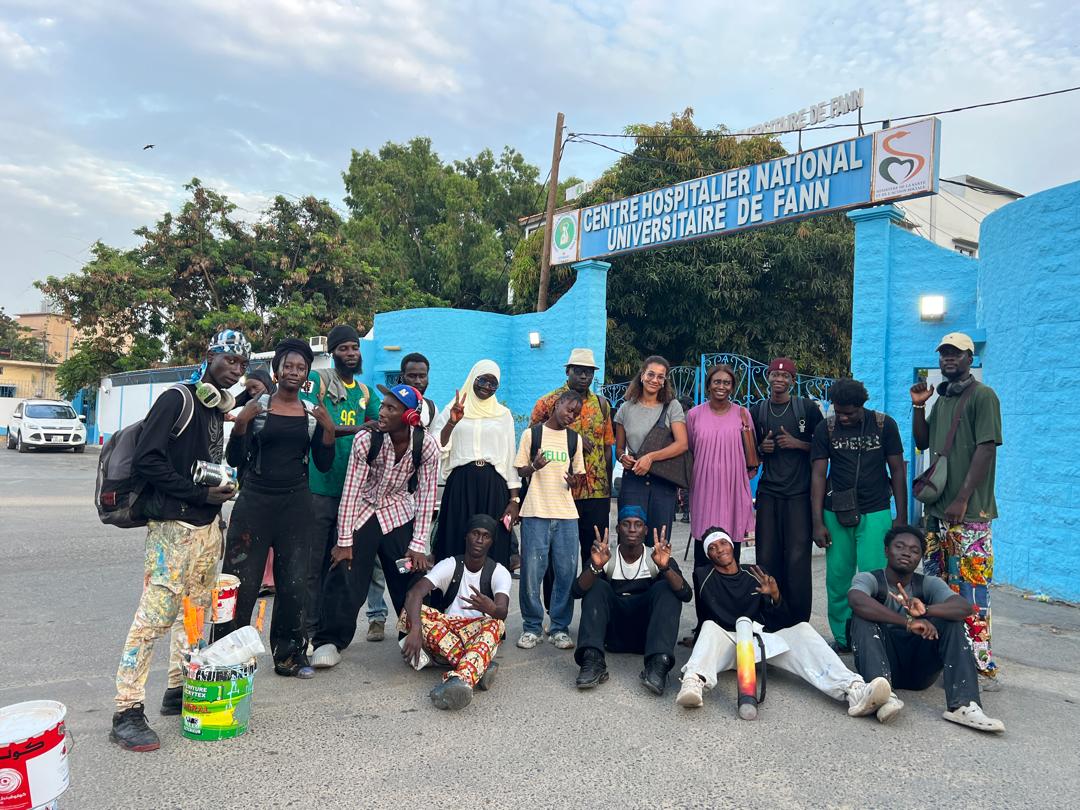
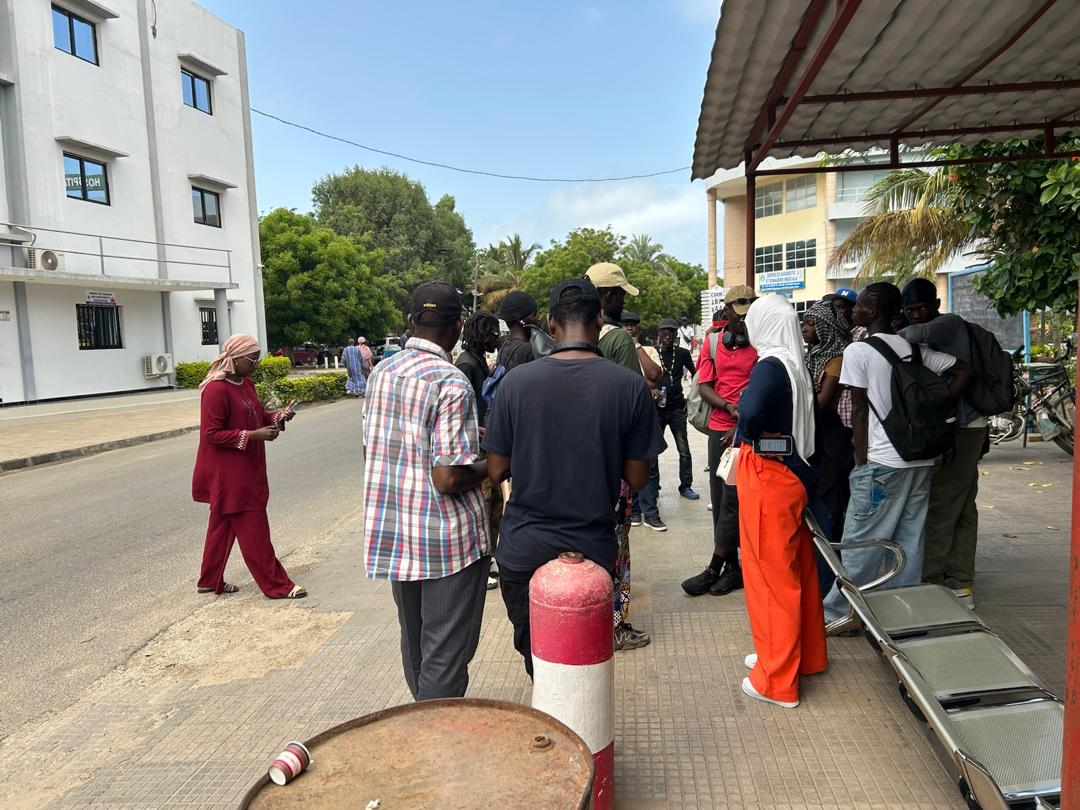
The After the Single Use team, ENAMC students and teaching staff, RESCAP’ART members involved in the art therapy programme, and the participating graffiti artists at the Fann Hospital mural.
Body
What happens to single-use medical plastics after they have served their purpose in healthcare? This question is central to After the Single Use, which examines the life cycle of these materials and the health, environmental and social challenges surrounding their use and disposal.
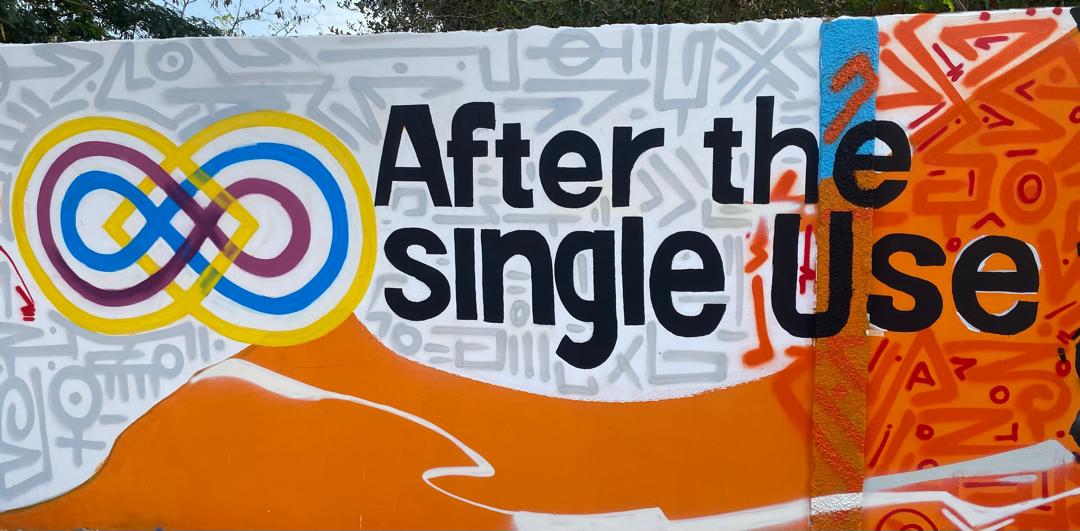
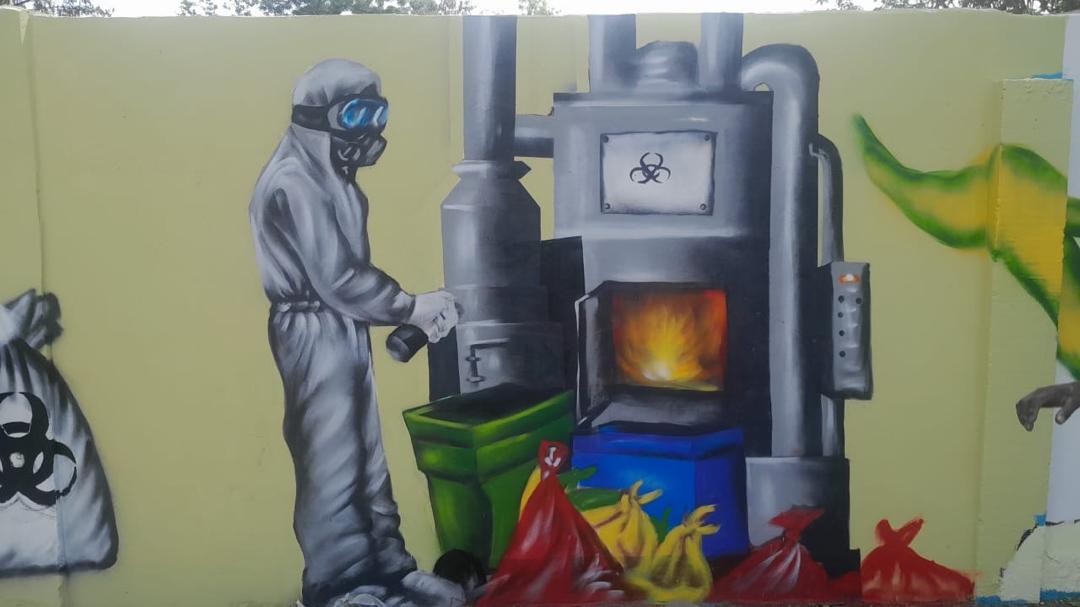
At Fann Hospital in Dakar, a collaboration between researchers, artists and healthcare partners has brought these concerns into a public setting. A 110-metre mural, painted between 25 and 27 July 2026, explores biomedical waste through images of risk, collective responsibility and possible responses. Located on the hospital’s exterior wall along Cheikh Anta Diop Avenue, it invites hospital users, staff and passers-by to reflect on the consequences of materials used in care.
Developing a shared visual language
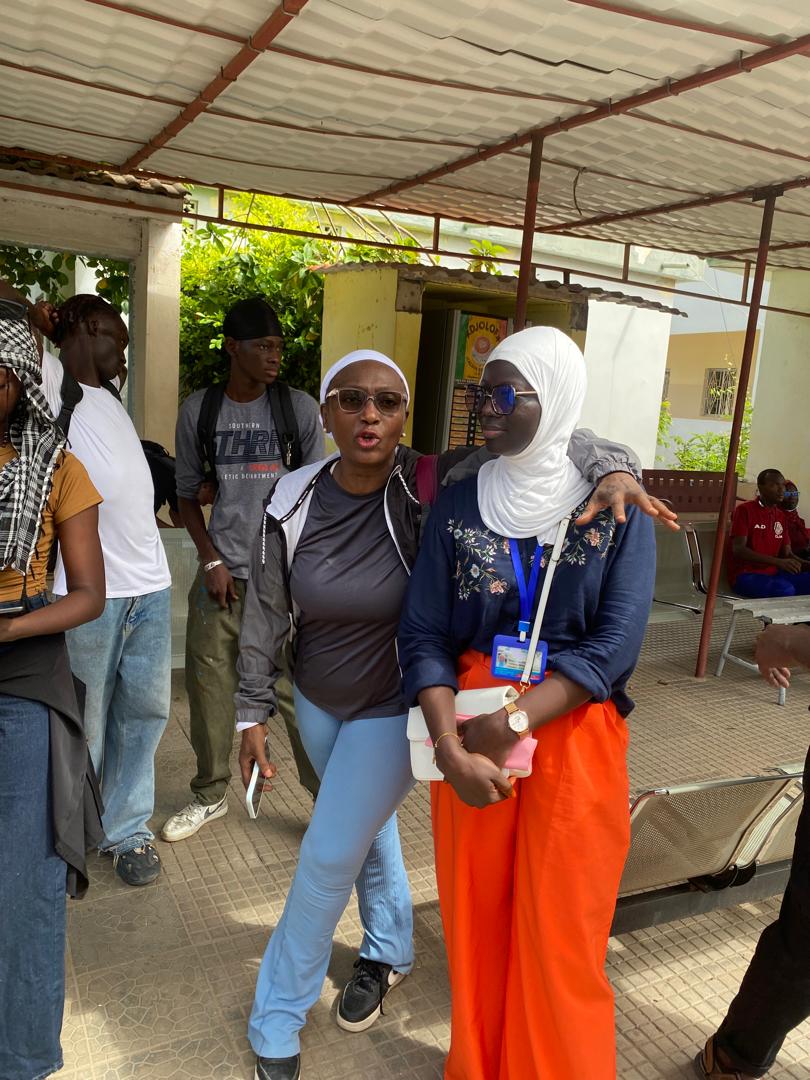
The mural emerged from a partnership with the National School of Arts and Cultural Professions (ENAMC), professional graffiti artists and RESCAP’ART, an association that coordinates art therapy activities within Fann Hospital’s Psychiatry Department. The collaboration created opportunities for participants to discuss the research and contribute to how it would be represented.
Consultation meetings in December 2025 and February 2026 established the direction of the work. Participants agreed on a large-scale mural, choosing the hospital wall for its visibility along a busy pedestrian and traffic route.
On 11 March 2026, a workshop brought together ENAMC students and teaching staff, RESCAP’ART members involved in the art therapy programme, and the participating graffiti artists. Researchers shared preliminary findings from After the Single Use, opening discussion of the health, environmental and social implications of biomedical waste.
These exchanges informed visual proposals developed by ENAMC students with guidance from their instructors. At a second workshop on 20 April, participants presented and discussed their ideas, collectively identifying elements to carry forward. The graffiti artists then developed a unified design that brought these contributions together.
This process was central to the collaboration: the artwork took shape through discussion and interpretation across disciplines, rather than through the illustration of a predetermined research message.
Working together on the hospital wall
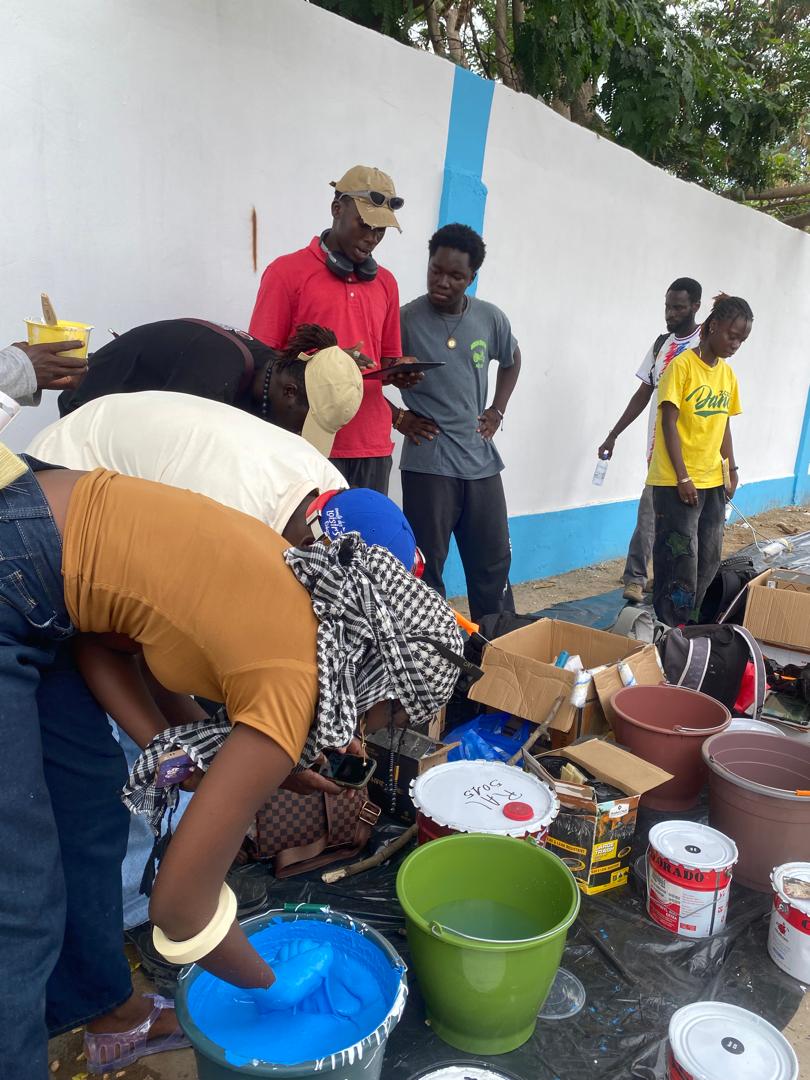
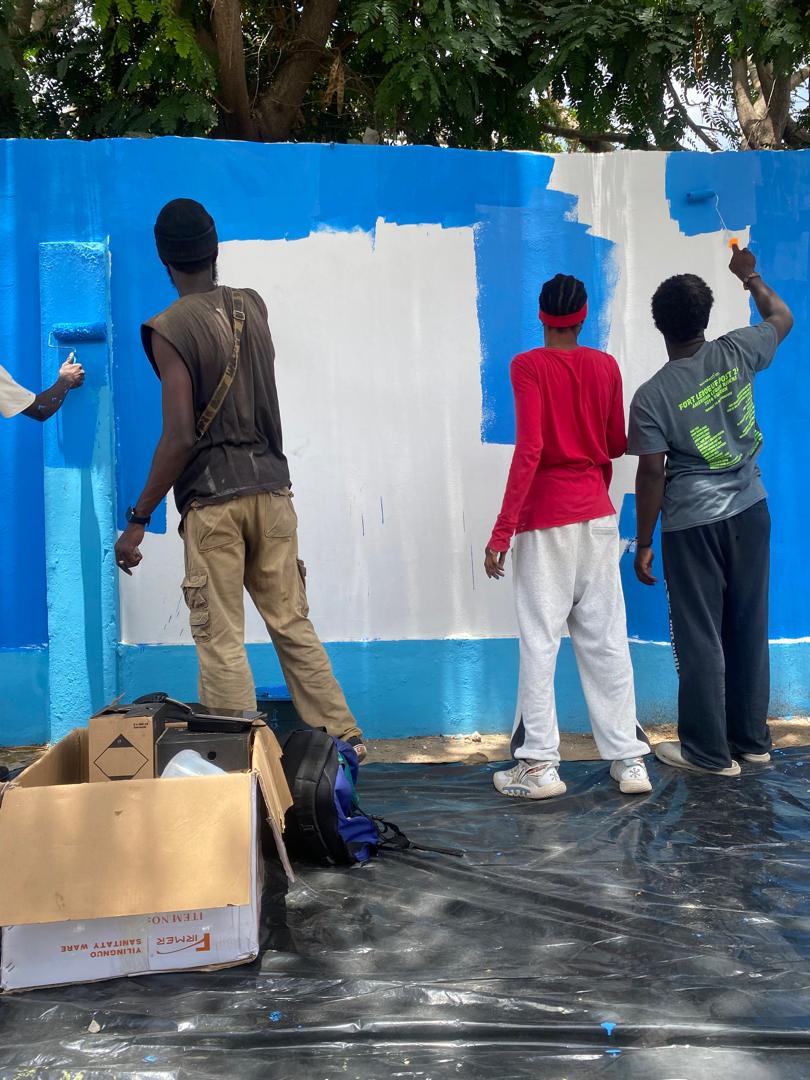
Preparing the site required coordination between the artists, ENAMC, the art therapy programme and Fann Hospital management. Following institutional approval, the wall was repaired, cleaned and prepared for painting during July. The CRCF administrative team coordinated materials and logistics.
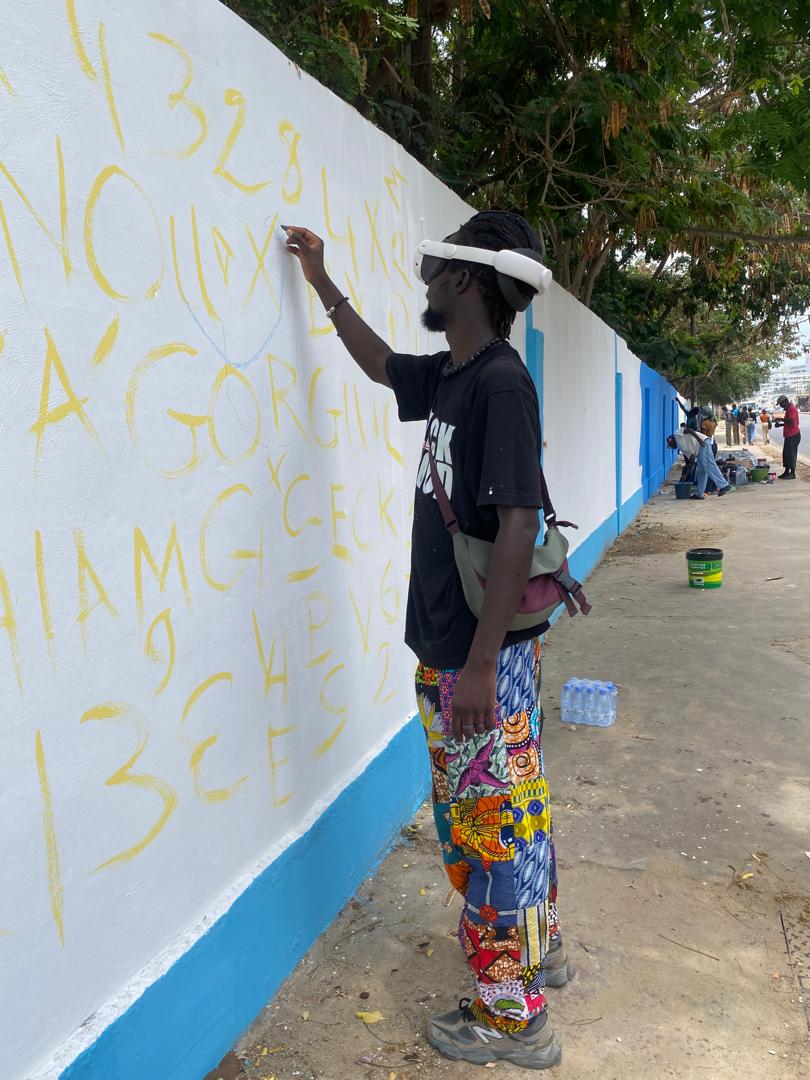
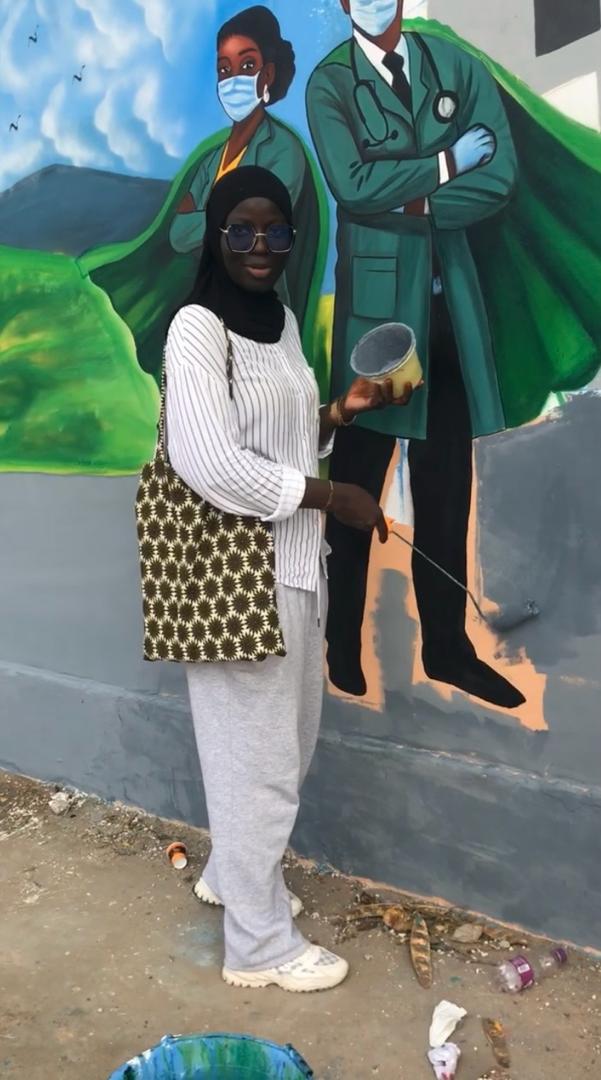
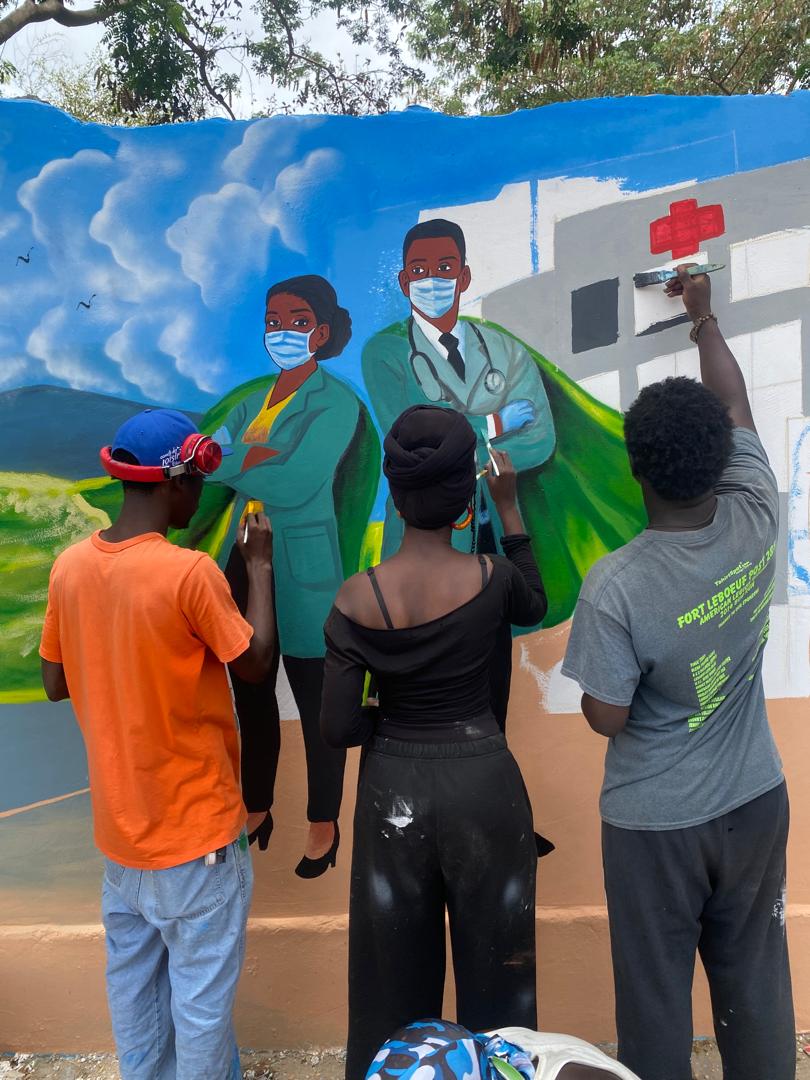
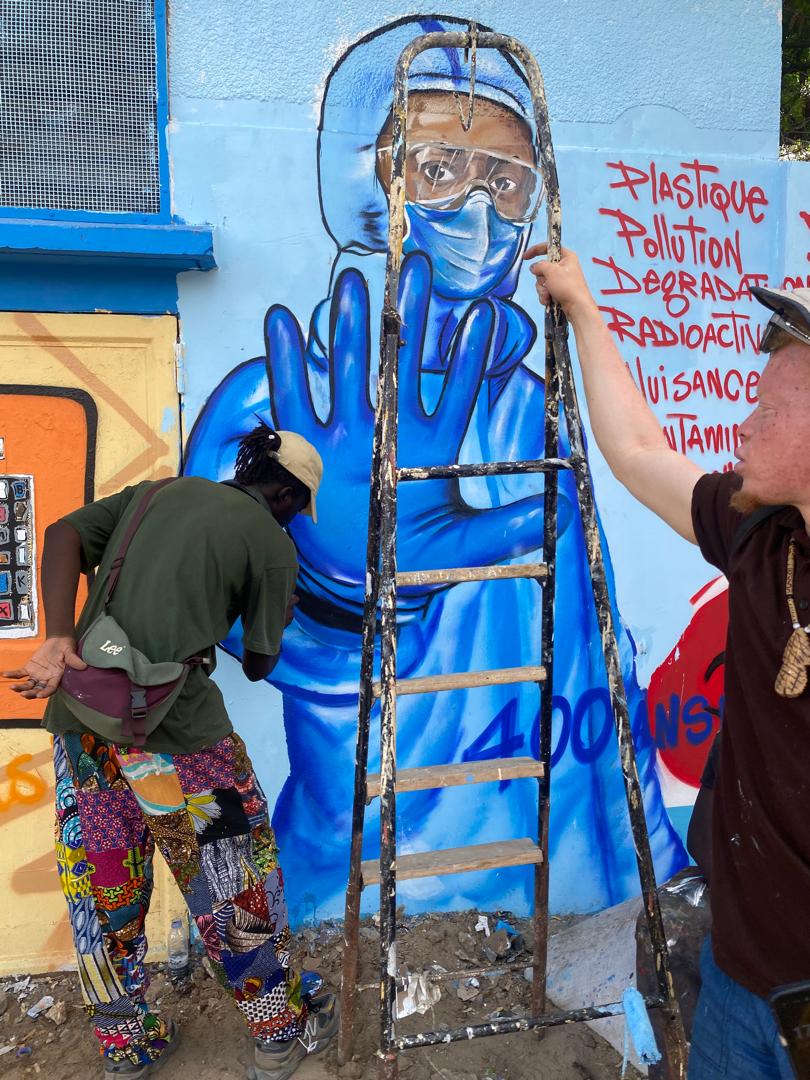
Over three days, the painting brought together 15 ENAMC students, three faculty members and three professional graffiti artists, alongside a visual artist from Fann Hospital’s Psychiatry Department and five RESCAP’ART members involved in its art therapy programme. Members of the After the Single Use research team also participated.
Working in small groups, participants exchanged techniques as the design was transferred onto the wall and developed in colour. The graffiti artists and ENAMC teaching staff provided guidance throughout, with adjustments to composition, proportions and colour helping to connect the different contributions across the mural’s length. Final lettering added messages addressing the environmental challenges of plastic waste from healthcare.
Following the trajectory of biomedical waste
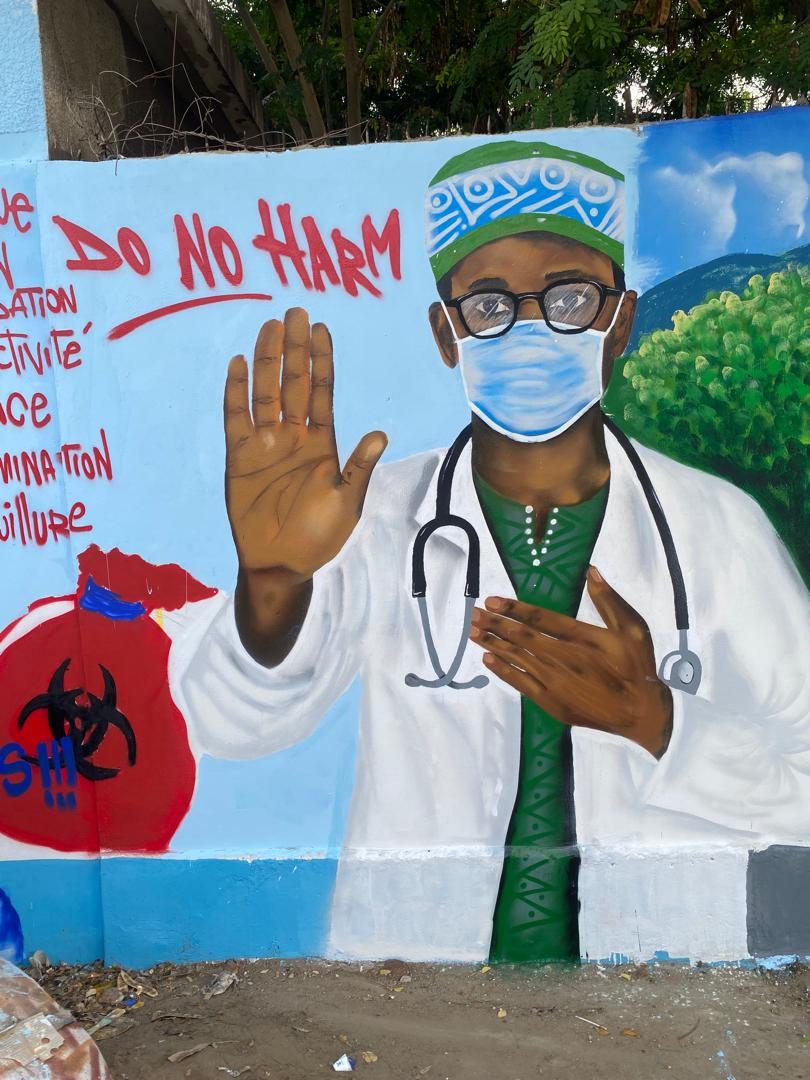
The completed mural is organised around three themes:
- Health and environmental risks associated with inadequate biomedical waste management.
- Collective awareness and shared responsibility in responding to these challenges.
- Practical solutions and more sustainable alternatives.
Together, these sections offer a visual account of the issues under investigation by the project. Their public setting creates an opportunity to encounter the research outside workshops, reports and academic discussions.
The mural’s significance also lies in the relationships and exchanges through which it was made. Researchers, students, artists and healthcare partners contributed different forms of knowledge and practice to a shared work. The collaboration offers an example of how public engagement can be part of an ongoing research process, with space for creative interpretation and collective learning.
Continuing the conversation
Proposed follow-up activities include an official inauguration and presenting the mural to Ministry of Health and Social Action officials responsible for biomedical waste management. These would provide further opportunities to discuss both the research and the role of public art in communicating healthcare’s environmental challenges.
The project also intends to draw on this experience when selecting an artist for a planned After the Single Use exhibition.
The mural is a lasting outcome of the collaboration, but not an endpoint for the questions it raises. It remains a public invitation to consider what follows the single use—and how research, healthcare and artistic practice might contribute to that conversation.