Following waste: insights from CRCF’s research at Fann Hospital, Senegal
Body
At a recent After Single Use work-in-progress webinar, colleagues at CRCF shared findings from an ongoing ethnographic study of plastic and biomedical waste management at Fann Hospital in Dakar, Senegal. The presentation offered an in-depth look at how waste moves through the hospital system, highlighting the gap between formal waste-management plans and everyday practice, while raising important questions about labour, infrastructure, and environmental governance.
Fann Hospital is a major referral centre for infectious diseases, with around 750 beds, approximately 1,500 staff, and between 1,000 and 1,200 patients passing through its services every day. As biomedical waste generation continues to rise, understanding how healthcare waste is managed is increasingly important for infection control, workers’ safety, and environmental sustainability.
The CRCF team conducted observations across multiple hospital departments, carried out 18 interviews with clinicians, nurses, managers and support staff, and organised a focus group with cleaning staff. Access to some areas and personnel proved difficult, leading researchers to supplement formal interviews with informal conversations and observations.
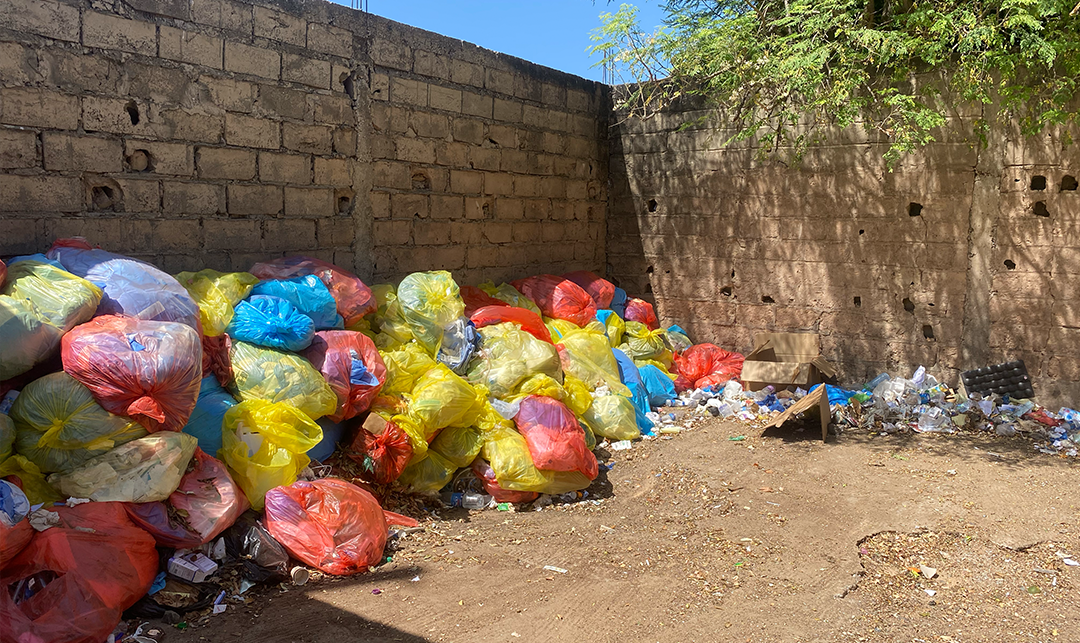
Interviews with current and retired healthcare professionals revealed that the hospital's healthcare waste management system has undergone significant improvements over the past decade, particularly following measures introduced during the HIV, Ebola, and COVID-19 epidemics and through the efforts of the hospital's administrative team. However, the research also identified cases where a disconnect remained between policy and practice. Although Fann Hospital has a written waste-management plan specifying colour-coded waste streams and designated treatment pathways, in some cases the team observed mixing of household and biomedical waste being mixed, inconsistent use of colour-coding systems, and shortages of equipment needed to implement protocols effectively.
The ethnographic study revealed a clear and well-defined pathway for the collection and disposal of biomedical waste from services to incinerator, carried out by cleaners and environmental service technicians employed by private companies under contract with the hospital administration.
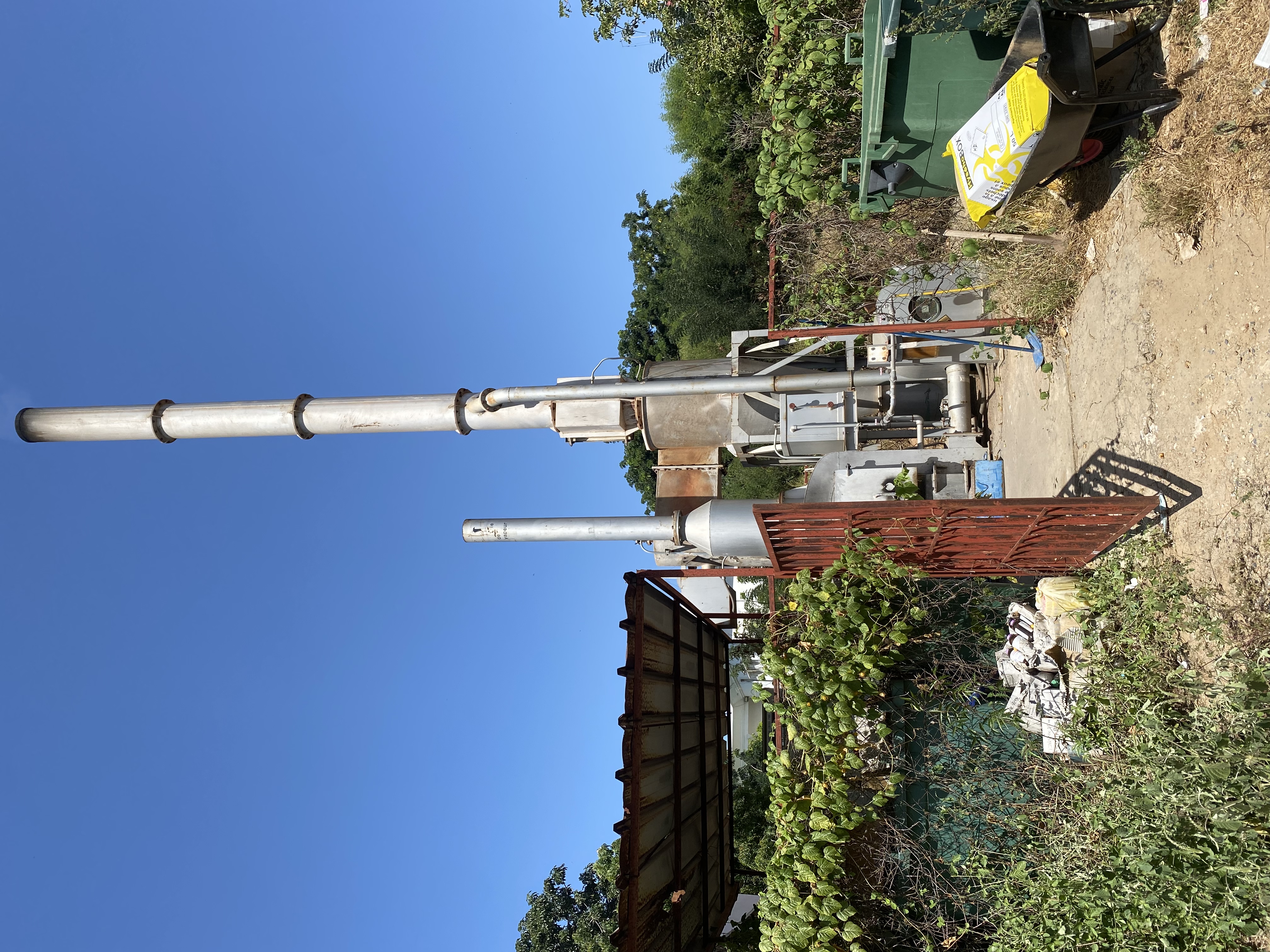
The on-site incinerator, a donated electric unit supplemented by petrol fuel, is designed to process waste in multiple daily cycles. Technicians face challenges in carrying out routine maintenance on the incinerator, increasing the risk of equipment breakdowns. The incinerator's operation is also affected by recurring fuel shortages and the high cost of electricity. On occasion, the team documented accumulations of unsegregated waste around the incinerator site, including visible sharps and mixed waste streams, evidence of open burning several hundred metres from clinical facilities, and technicians frequently working without adequate personal protective equipment. These observations raise important questions about the resources available for safe waste treatment and the challenges of managing increasing volumes of biomedical waste.
These findings also point to broader systemic issues. Waste management at the hospital depends heavily on workers employed through short-term contracts and subcontracting arrangements.
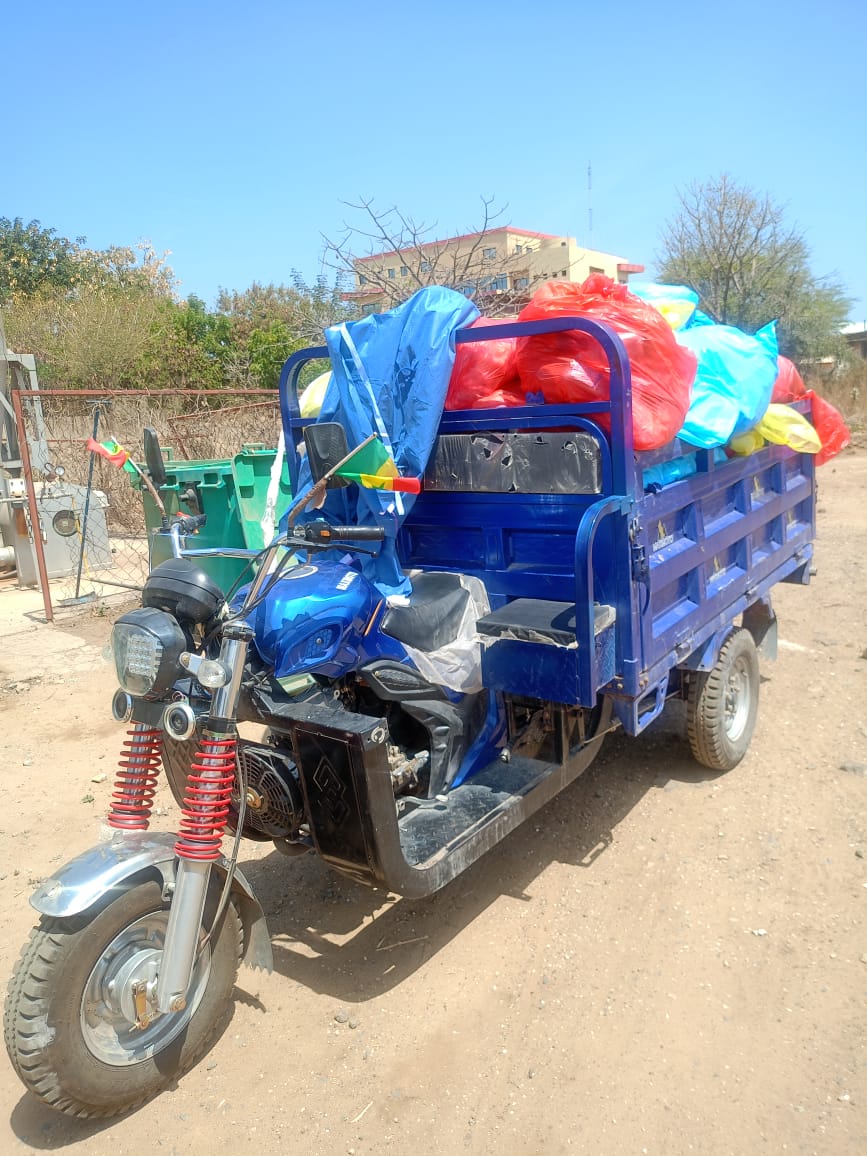
Despite their central role in infection control, these workers often remain largely invisible within formal healthcare systems. Participants' responses also suggested that their concerns focus primarily on the health risks associated with waste, while its environmental impacts were mentioned only rarely, if at all
Colleagues noted that many of these challenges echo findings from other countries, including Sierra Leone, India, Bangladesh, Nepal and Tanzania. Across these contexts, researchers have observed recurring patterns: outsourced labour, inadequate worker protection and training, under-resourced infrastructure, and legal frameworks that can unintentionally limit alternative waste-treatment options.
One particularly important discussion centred on recycling and reuse. While some informal recovery of bottles and other materials occurs, biomedical waste recycling is reportedly prohibited under Senegalese law. Colleagues reflected on examples from other countries where systems for recovering valuable recyclable materials were developed through long-term investment, collaboration with informal recyclers, and supportive legislation. These examples highlight the extent to which legal and regulatory frameworks shape what forms of waste management are possible.

The webinar concluded by identifying several priorities for further research. The CRCF team plans to investigate the contractual arrangements governing waste-management subcontracting, explore how past epidemics such as HIV, Ebola, and COVID-19 affected waste generation and disposal practices, and undertake a focused examination of Senegal’s biomedical waste legislation. The team also highlighted practical challenges that require further attention, including shortages of correctly coloured waste bags and mismatches between ward-level segregation practices and downstream collection and treatment systems.
Together, these findings show that healthcare waste is not just a technical challenge. It is shaped by infrastructure, labour relations, legal frameworks, resource constraints and everyday practices. By following waste through the hospital system, CRCF’s research demonstrates how questions of healthcare, sustainability, and social justice become entangled in the management of biomedical waste.