After the Single Use partners with NOBA on international artist residencies
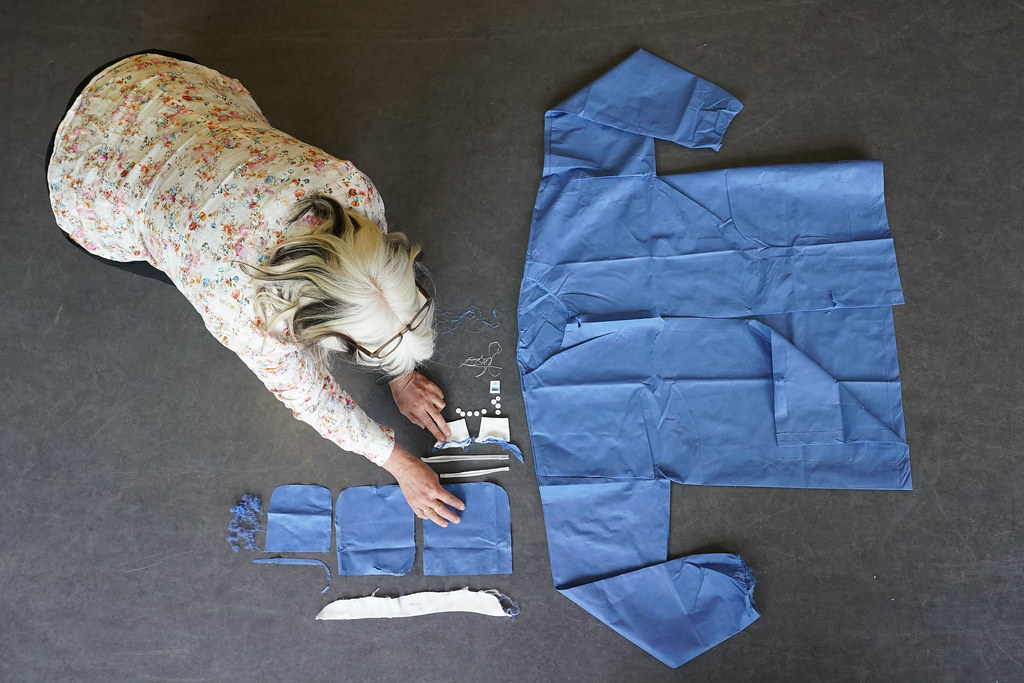
Photo by Stewart Attwood.
After the Single Use is partnering with NOBA to coordinate a series of artist-in-residence programmes connected to the project’s international research activities.
NOBA (Norwegian BioArt Arena) is the first permanent arena for BioArt in Norway. Based within Vitenparken at the Norwegian University of Life Sciences, NOBA supports interdisciplinary collaborations between artists and researchers working across sustainability, environmental humanities, life sciences, and contemporary art. The organisation creates spaces where artistic and scientific methods can intersect to address pressing environmental and social questions.
The partnership forms part of After the Single Use’s wider interdisciplinary approach to understanding the global systems underpinning disposable healthcare. The project examines the production, circulation, and disposal of single-use medical plastics, and the environmental and social consequences of disposable medical systems. Bringing together anthropologists, historians, artists, and public health researchers across eight countries, the project investigates how disposability became embedded within healthcare infrastructures and what alternatives might emerge through reuse, repair, and circular models of care.
As part of the collaboration, NOBA will coordinate eight artist residencies embedded within the project’s international research units. Artists will work alongside researchers across a range of local healthcare and waste-management contexts, engaging directly with the materials, infrastructures, communities, and environmental questions shaping the project. NOBA will also host a virtual exhibition bringing together artworks developed through the residencies.
The residency programme reflects the project’s interest in how artistic research can make visible the material, sensory, and political dimensions of healthcare waste systems. Alongside historical and ethnographic investigation, the residencies will support new forms of public engagement and interdisciplinary exchange around medical disposability and circular healthcare futures.
Research activities connected to the residency programme span sites including Dakar, Hyderabad, Oslo, Dar es Salaam, Baltimore, Edinburgh, Geneva, and Goroka.
The collaboration with NOBA reflects After the Single Use’s broader aim to establish new critical humanities, social science, and arts-based approaches to understanding medical waste and imagining healthcare futures beyond disposability.