CRCF convenes first National Advisory Committee meeting in Senegal
Body
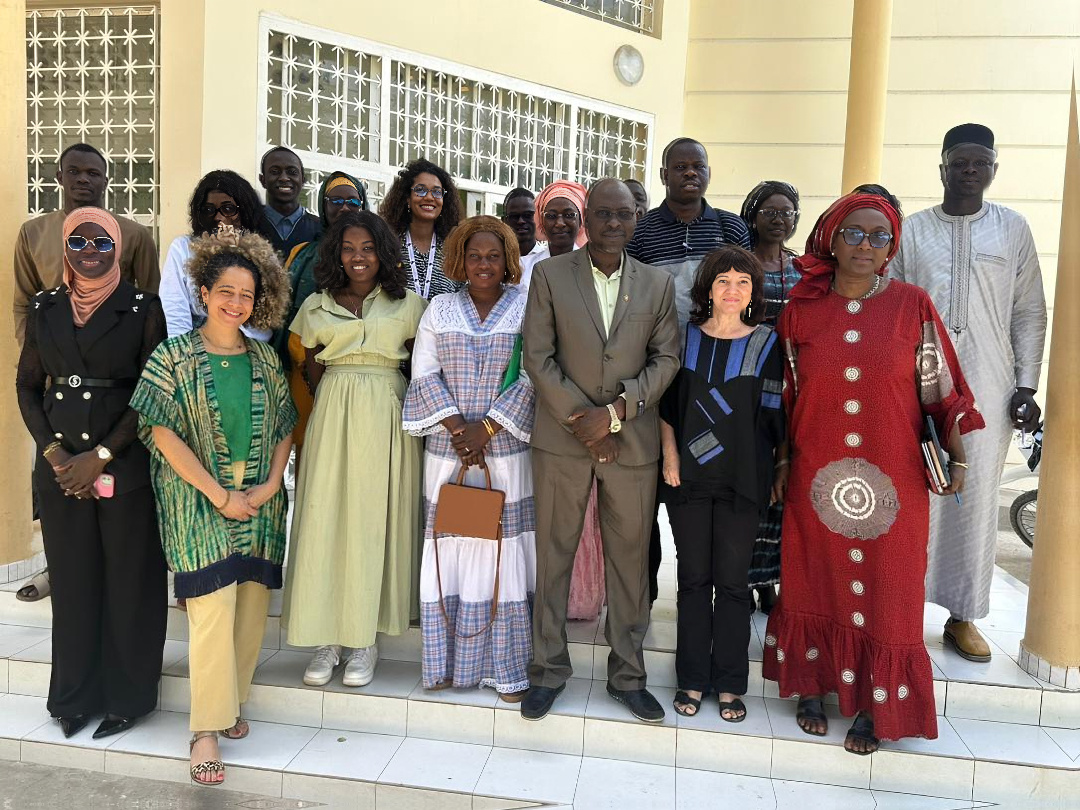
Khoudia and the team at CRCF held their first National Advisory Committee (NAC) meeting in March 2026. The meeting brought together representatives from the Ministry of Health, technical and financial partners, and institutional and community stakeholders involved in the project in Senegal. Preliminary findings highlighted several issues related to the increasing use of single-use medical plastics, the challenges of biomedical waste management, and opportunities to strengthen coordination and environmental action.
The meeting provided an opportunity for the team to critically review the initial data collected and reflect on the direction of ongoing activities. In relation to research conducted at Fann Hospital, participants highlighted the importance of identifying partner organisations involved in subcontracting biomedical waste management, analysing the actors and forms of collaboration involved, and collecting relevant strategic documents, including emergency waste management plans and revised national frameworks. These discussions will help strengthen understanding of how biomedical waste management is organised at Fann Hospital.
Regarding the historical interviews, participants emphasised the need to further examine the role of epidemics in shaping hygiene and safety standards and to better document the history of waste management in Senegal. This includes exploring the impact of HIV, Ebola, and COVID-19, as well as reviewing biosafety guidance produced by WHO. Discussions on the anthropological research at Mbeubeuss also highlighted the importance of broadening the analytical scope and deepening data collection on specific themes, including greater attention to the experiences of local communities.
The meeting also identified several priorities for the next phase of research, including strengthening media monitoring activities, conducting further interviews with key stakeholders in the biomedical waste sector, and expanding engagement with national institutions involved in hygiene, safety, and environmental governance.
At the conclusion of the meeting, the NAC was formally established, and participants contributed a range of recommendations to support the next stages of project implementation. There was also broad agreement on the importance of maintaining regular multisectoral dialogue through future semi-annual meetings.