After the Single Use project brings Tanga health sector together to examine medical plastics
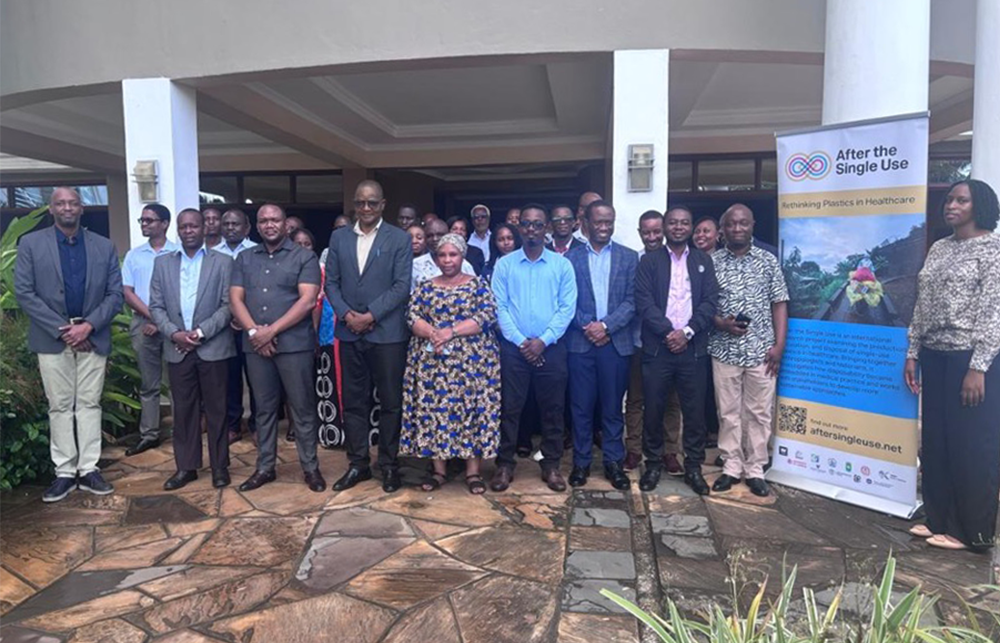
Attendees from the Tanga health sector and research community.
On the 8th October 2026, the After the Single Use (ATSU) Tanzania Project formally brought together the Tanga health sector and research community at Tanga Beach Resort for an inception meeting to begin a shared conversation about one of modern healthcare’s less visible challenges: single-use medical plastic devices. The inception meeting in Tanga region corresponds to one of the project's proposed study sites. Others include Pwani, Dar es Salaam and Dodoma regions.
The meeting brought together the Tanga Regional Health Management Team, ty Council Health Management Team, Muheza District Health Management Teams, Bombo Regional Hospital department heads, waste-management teams, NIMR colleagues and other stakeholders. The programme included opening remarks from the Manager of NIMR Amani Medical Research Centre, followed by an opening speech from the Acting Tanga Regional Medical Officer, before the ATSU team presented the project and opened the floor for extensive discussion.
In welcoming participants, the NIMR Amani Medical Reserch Centre Acting Manager Dr Patrick Tungu emphasised that ATSU is not simply a project about single-use medical plastics or waste. It is about how healthcare systems organise resources, protect patients and health workers, and build sustainable and resilient health services. A particularly important message was: “We want to listen, learn and generate evidence together.” This set the tone for the meeting, ATSU is not coming to Tanga with predetermined solutions, but to understand existing practices, challenges and possibilities together with those who work within the health system.
Responding to the welcome, the Representative of Tanga Regional Medical Officer Dr. Gideon Joshua acknowledged that medical waste is already a recognised challenge for the health sector. Health facilities have systems for segregation, collection, treatment and disposal, but the increasing use of single-use medical devices creates new pressures on these systems. He welcomed the project and made a clear commitment on behalf of the regional health sector: “We therefore welcome research that can help us better understand this challenge and identify practical solutions.”
He further assured the ATSU team of the region's cooperation, particularly in facilitating engagement with health facilities, departments and relevant teams. He also expressed anticipation for the detailed project presentation as an opportunity to understand how the research can drive practical improvements in Tanga.
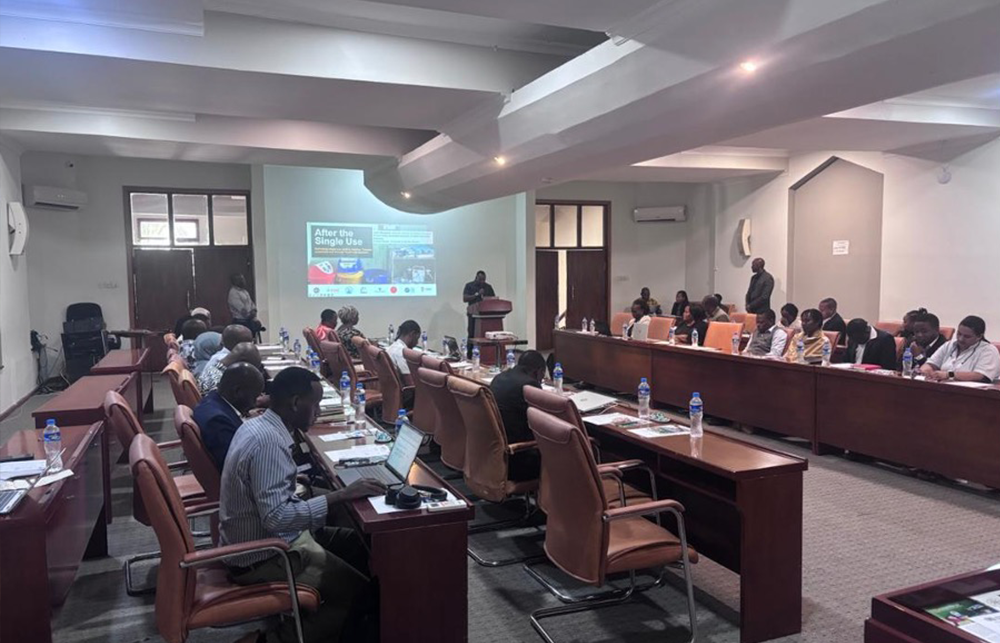
The presentations that followed helped put the challenge into perspective. Delivered jointly by the ATSU team, lead by Dr Peter E. Mangesho, together with Dr Amani Aneli and Dr Andrea Kifyasi, the presentaetion highlighted the paradox at the heart of the project: healthcare exists to protect and improve human health, yet the systems through which healthcare is delivered can also generate significant environmental harms.
The presentation explored how medical devices such as syringes, gloves and rapid diagnostic tests are produced, transported across borders, procured, stored, used for only a short period and then discarded.
The central question presented was about how has disposability become normal in healthcare, and how have our health systems become dependent on single-use plastics? The team will approach this question through history, anthropology, ethnography, archival research, oral histories, interviews, participant observation, “follow-the-device” approaches and waste audits. The aim is to follow devices through their different stages and understand the people, institutions, infrastructures and decisions that shape their journey.
Following the meeting, participants had an opportunity to ask questions and give comments. Through group discussions, participants identified single-use medical devices to prioritise, proposed research questions, and discussed whether single-use devices are always used once in practice. They highlighted challenges the study could address, including infection prevention, healthcare medical device costs, waste management, and environmental and health impacts associated with single-use medical devices. Participants also suggested areas for further investigation, including healthcare workers’ practices, community experiences, policy gaps and possible alternatives to single-use medical devices.
The Tanga inception meeting therefore marked more than the beginning of a research project in one of the proposed sites. It marked the beginning of a conversation between researchers and the health sector about the material life of healthcare. The question is no longer simply what happens when a medical device is used. What happens after the single use? And, perhaps more importantly, what could happen differently?
ATSU Tanzania looks forward to continuing this conversation with the Tanga health sector, health facilities, policymakers, researchers, environmental actors and communities.