
A Guide to Sparking Cross-Disciplinary Conversations that Drive Meaningful Research
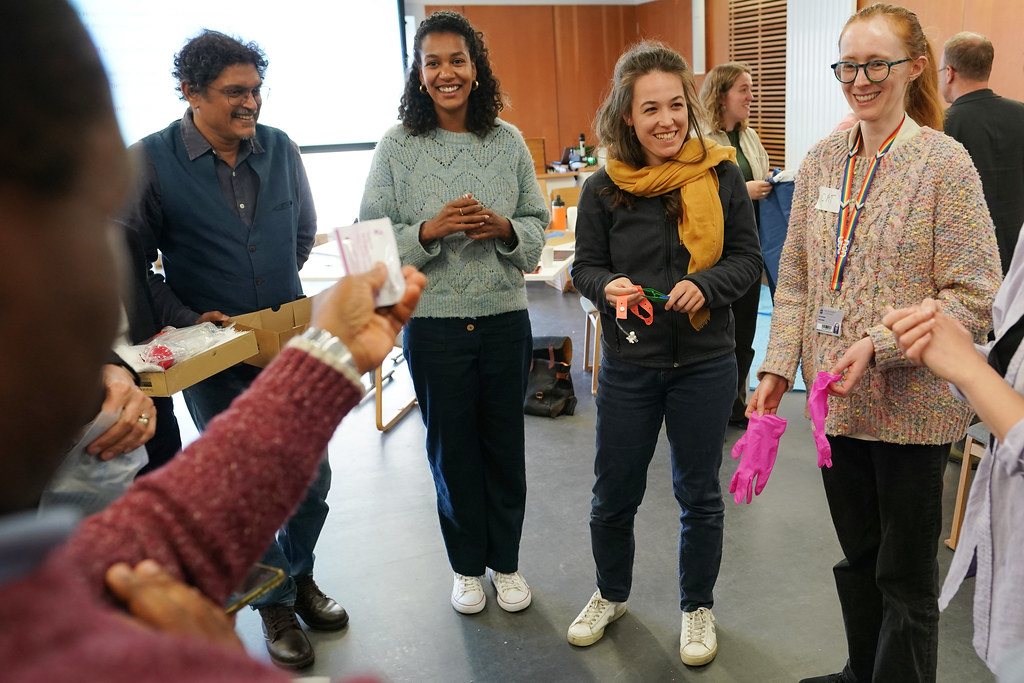
An animated discussion about disposable plastics as part of the exhibition curation.
Stop playing safe
When it comes to communicating academic work, do you ask yourself:
A) Oral presentation, poster or article in The Conversation?
OR
B) How can I generate meaningful conversations about my work? How can I engage with and communicate both what matters to me and to a diverse audience? How can I stimulate new ideas and novel collaborations that will increase my work's impact?
At After the Single Use, we’re in Camp B. With our goals, playing safe doesn’t feel like an option. So, on Tuesday 27 May 2025, we tried something a little different. And, if you share our ambition and energy, we’d recommend you read on and do the same.
Make a pop-up exhibition
Inspired by the spectacular Plastic: Remaking our World exhibition at the V&A Dundee (which, if you missed it is still touring the world!), we decided to leap out of our comfort zone. We invited key opinion leaders, policymakers, industry, healthcare providers and academics to a ‘pop up’ exhibition… assembled by team of mostly academics in less than 3 hours!
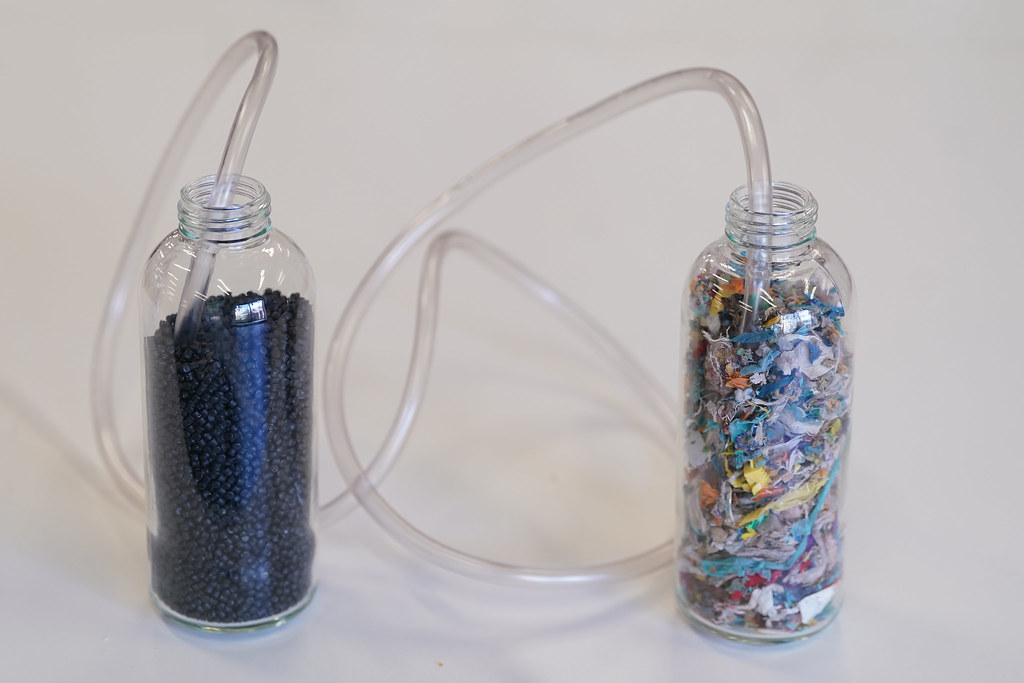
"Floc": showcasing the journey from shredded medical waste to recycled plastic pellets; flexible tubing containing toxic plasticisers problematises the recycling process.
The largest exhibit in the room, “Avoidable”, highlighted issues with medical textile waste. The colossal size of one single-use surgical drape called attention to the magnitude of this particular waste problem, swamping a small microscope through which viewers could observe the tiny plastic fibres the textiles are fabricated from. Students wearing single-use warming jackets circulated the room, speaking of and emulating the microplastics released from these fabrics which flow through our oceans and rivers.
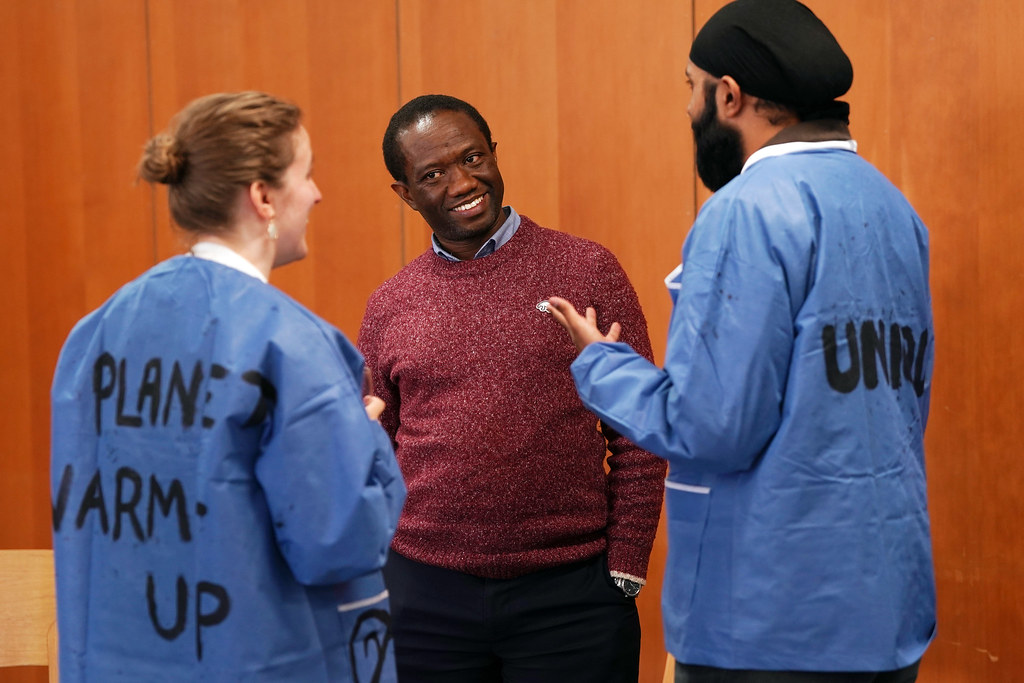
The living, walking portion of the exhibit: "Avoidable".
Another, “Nutritional Supplements”, lamented the ongoing presence of PVC and hazardous chemicals in enteral tubing through which many are fed every day. It featured a dining table set with platters of plastics – what a delight for the tastebuds!
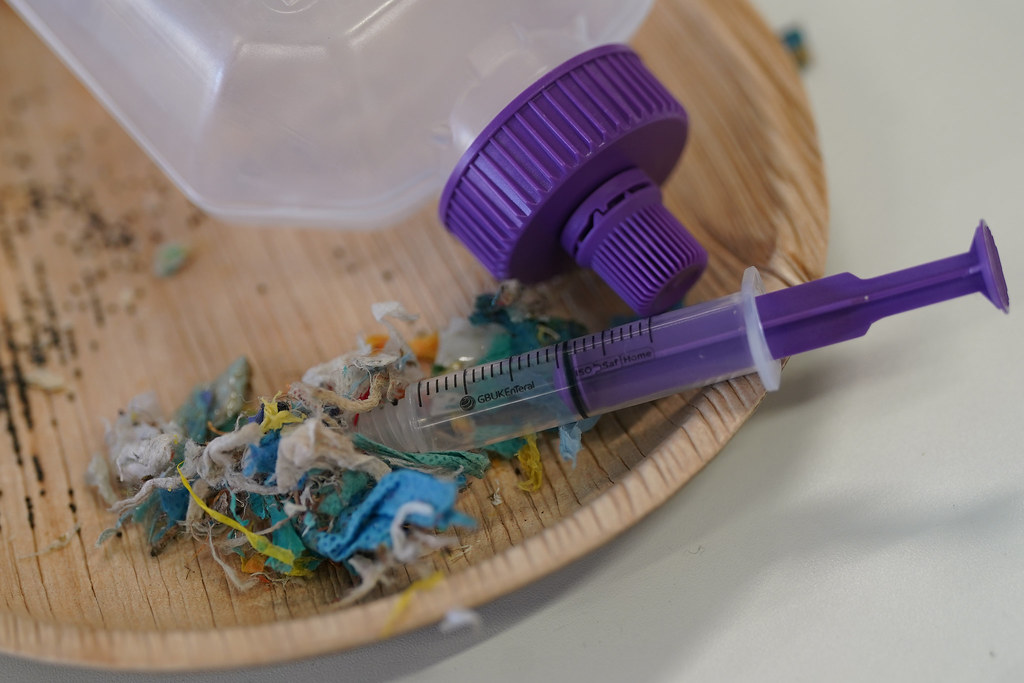
"Nutritional Supplements".
Other exhibits included an array of bronzed single-use devices, a disassembled urinary catheter and a selection of posters and objects collected from different places on earth and periods of its history.
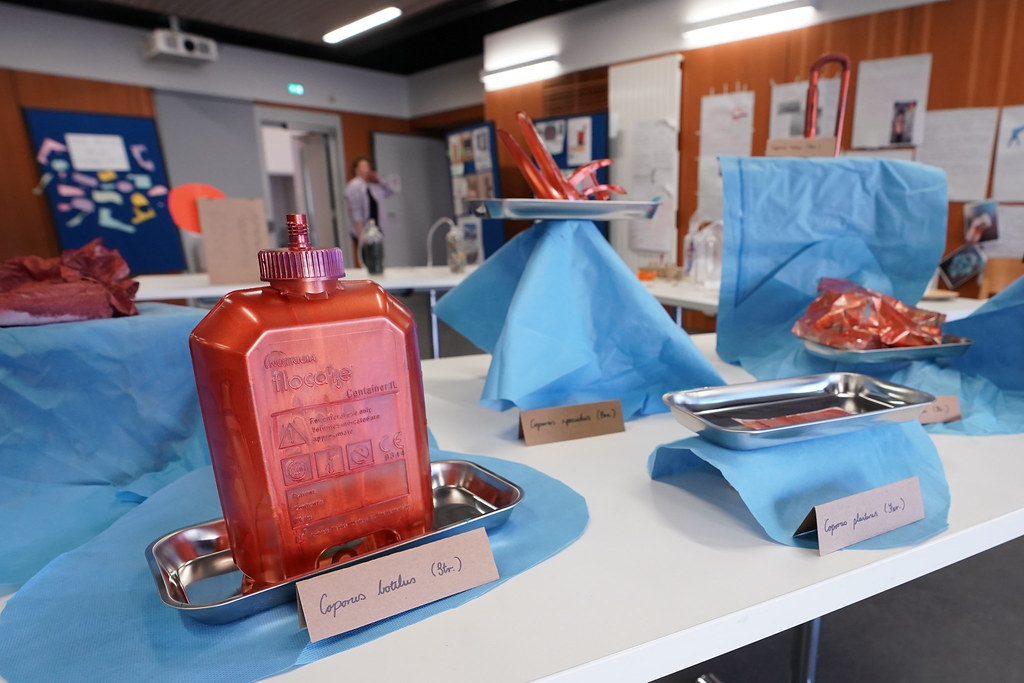
Bronzed single-use devices.
Amidst the merry buzz of conversation and our shining bronzed exhibits, we reflected on what we’d achieved.
In particular, we loved watching the gravitational pull of our artefacts and artworks in action. How quickly these objects became hubs around which knowledge, meaning and experience coalesced. Overhearing exclamations of disbelief over our deconstructed plastic devices, at their complexity, the waste and accompanying advertising campaigns, we knew we’d struck a chord with the audience.
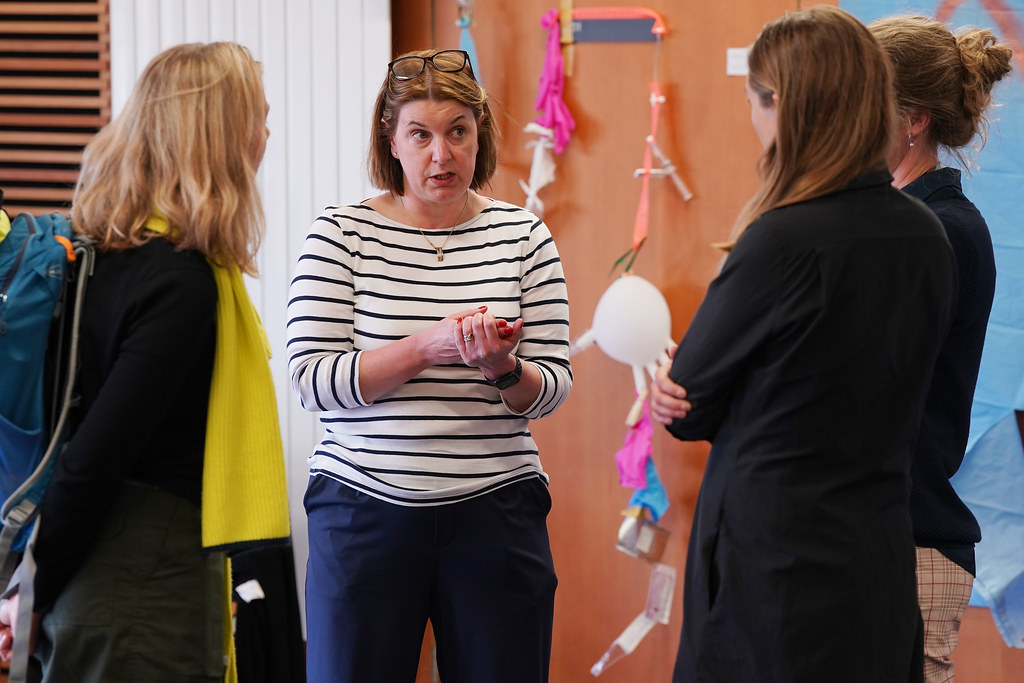
Talking textiles underneath "Avoidable".
We listened to stories and research objectives confidently expressed, methods discussed and contacts shared. I overheard a student’s enthusiastic discourse with a visitor on object biographies. Their examples, using the array of photographs and objects collected for our first workshop before them, enabled a meticulous articulation of the subject. We all noticed a rich diversity of statements and opinions offered – something we’ve almost given up hope of hearing at conference Q&As.
Follow these 5 pieces of advice:
Rewind 3 hours and you’d see 15 of us, on the second day that we’d all met, sat nervously in a conference room with absolutely nothing to show our visitors. So, to the important bit – how did we pull it off?
Do NOT attempt this on your own!
To pull something like this off, collaborate with someone who knows what they’re doing. If you don’t already have an artist or curator on your team, we’d seriously recommend considering it. At After the Single Use, we’re extremely lucky to have the wise and thoughtful Rebekka Sæter on board. So, naturally, the rest of the advice here came from her. Set aside time to listen to the experts!
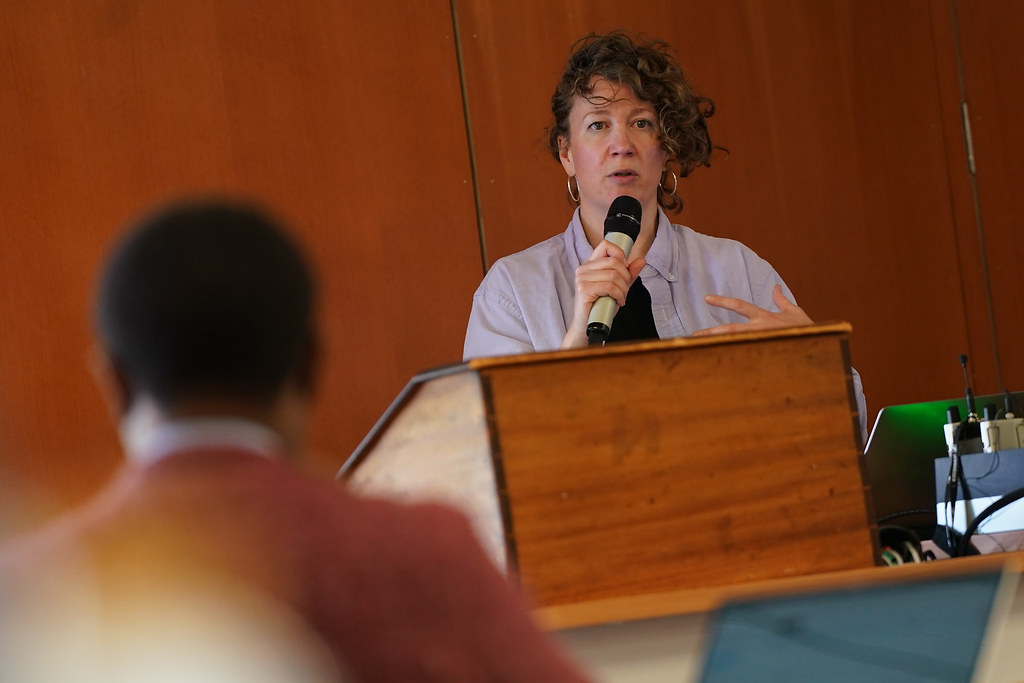
Rebekka Sæter setting the intentions for the exhibition-making process.
Take time to set the scene. Make space for creation.
You don’t have much time, but still, don’t be tempted to jump right in. A finished exhibition is something we can aspire for in the end, but not something we look for as we move along. We look for something else, and hope that it shows up. A few well-designed warm-up exercises, such as experimenting together with placing objects and our bodies in space, helped the team focus, relax, and connect with the process. It’s important to dissolve preconceptions, expectations and anxieties about the exhibit before you get started.
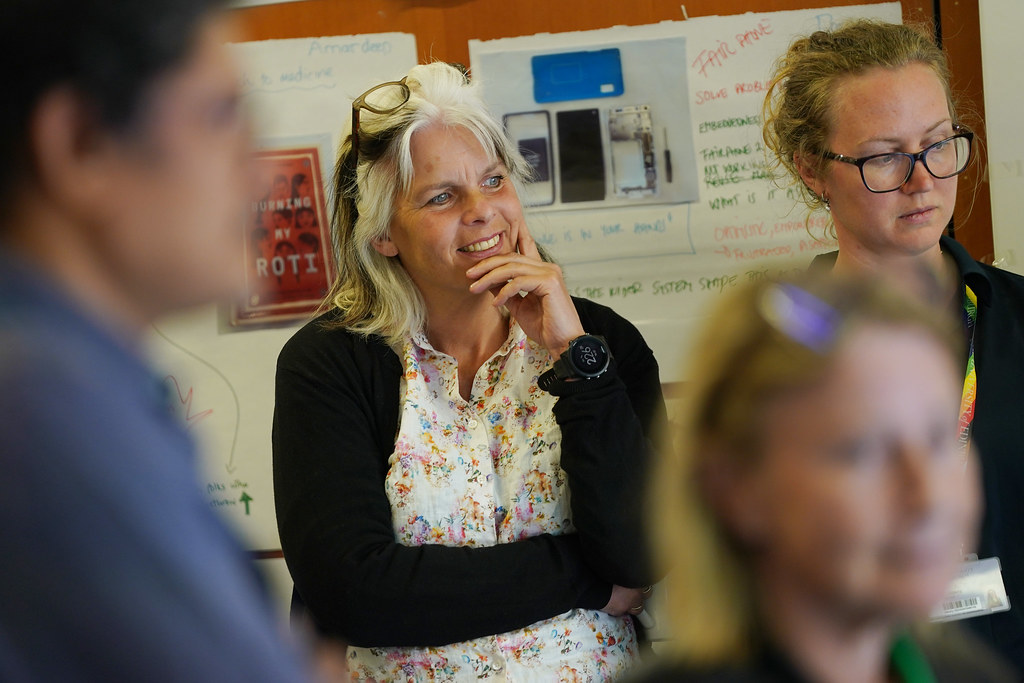
Watching our team members become an exhibit themselves!
Let go of visual perfection, engage yourself in the process.
Intricate creations and endless iterations and tweaks are impractical. Engage with the materials you have and be purposeful. Know that the story you want to tell can create change. Situate yourself completely in the process and that story. When you place or create something, examine how looking at it makes you feel. What questions spring to mind? What there is meaningful? How does it matter to you? Use reflections like these to guide what you do next.
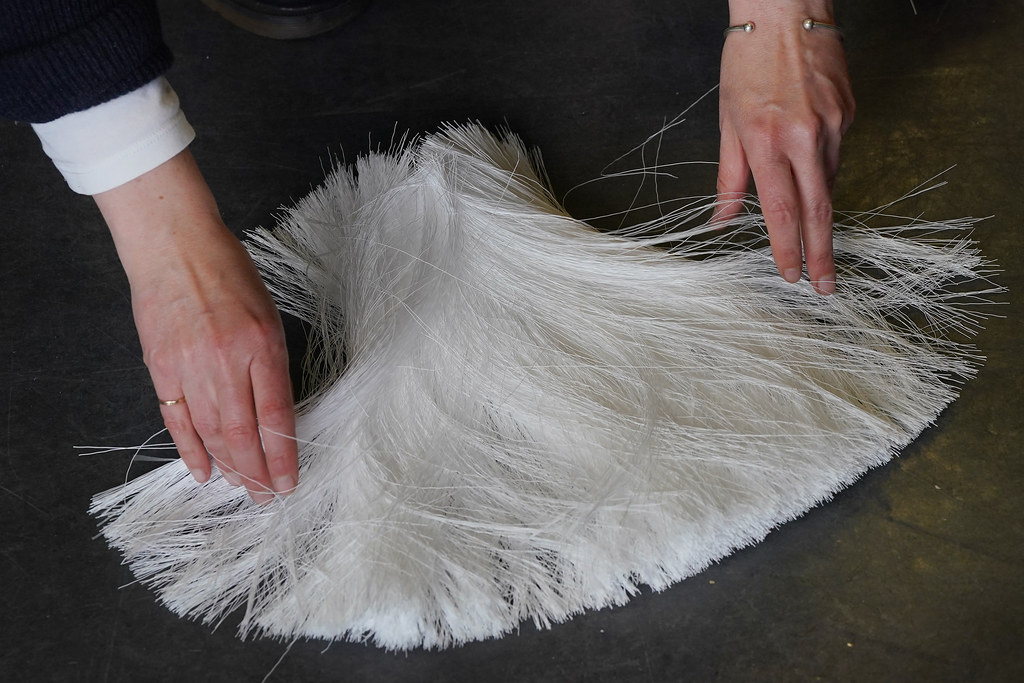
Placing with intention.
Ask permission to work together and engage with other ideas.
Some people will have strong ideas right from the start. Others will feel completely lost. Help each other out by inviting others to join you, communicating and always asking permission to work together. The work happens in-between you, the people and the space. Try to be inclusive of all.
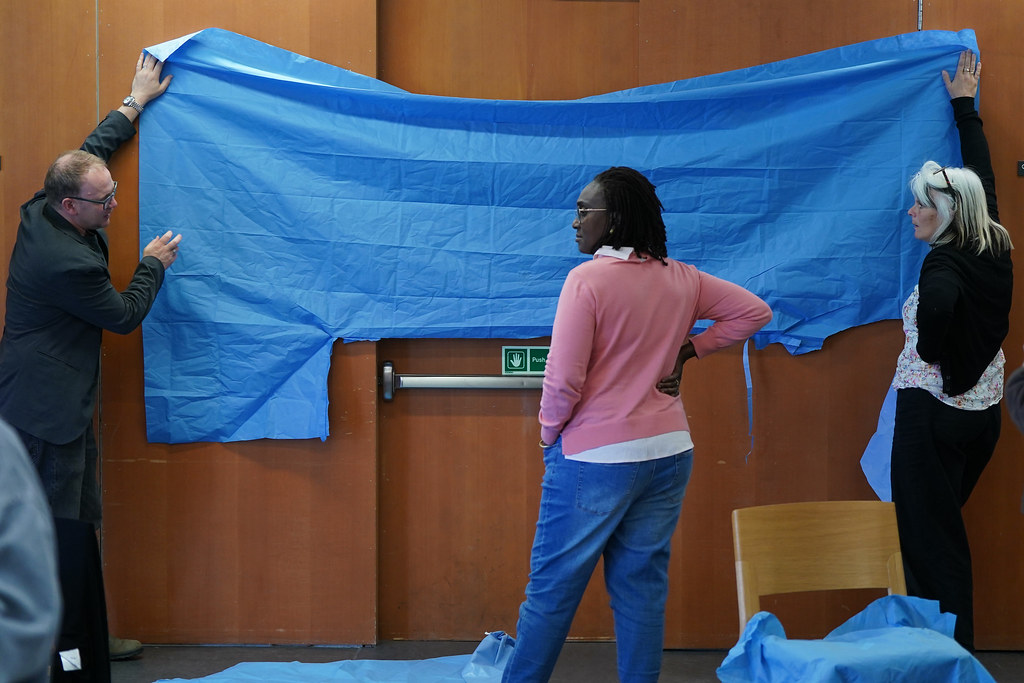
Some things require more than one pair of hands!
Record people’s response to your exhibits.
Anastasiia Martynenko, our collaborator from the international NGO Healthcare Without Harm, had her own mission: she spent a good deal of curation time making sure we could capture people’s reactions to and interactions with the exhibition. She was onto something. There’s so much you can learn about who to approach and how to approach them from an endeavour like this, which will be so useful for developing further communication strategies. Make sure you give people space to share both their ‘gut’ reactions to the exhibits, and their reflections at the end of the exhibition.
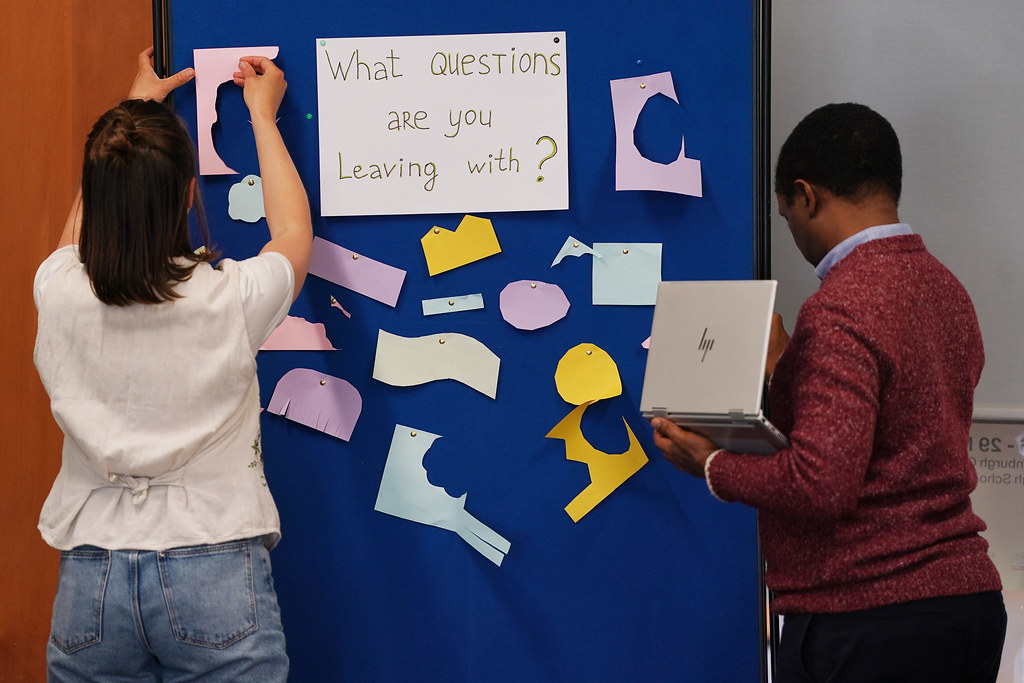
If you want genuine reflections, remember to give some thought to how you’re going to draw them in!
We look forward to sharing more of our innovative communication strategies throughout the project. We look forward to hearing yours, too!
Images courtesy of © STEWARTATTWOODPHOTOGRAPHY
